Urmia; Friday Prayer Leader Praises Judiciary for Executions and Labels "No to Execution" Opponents "Modern Ignorance"
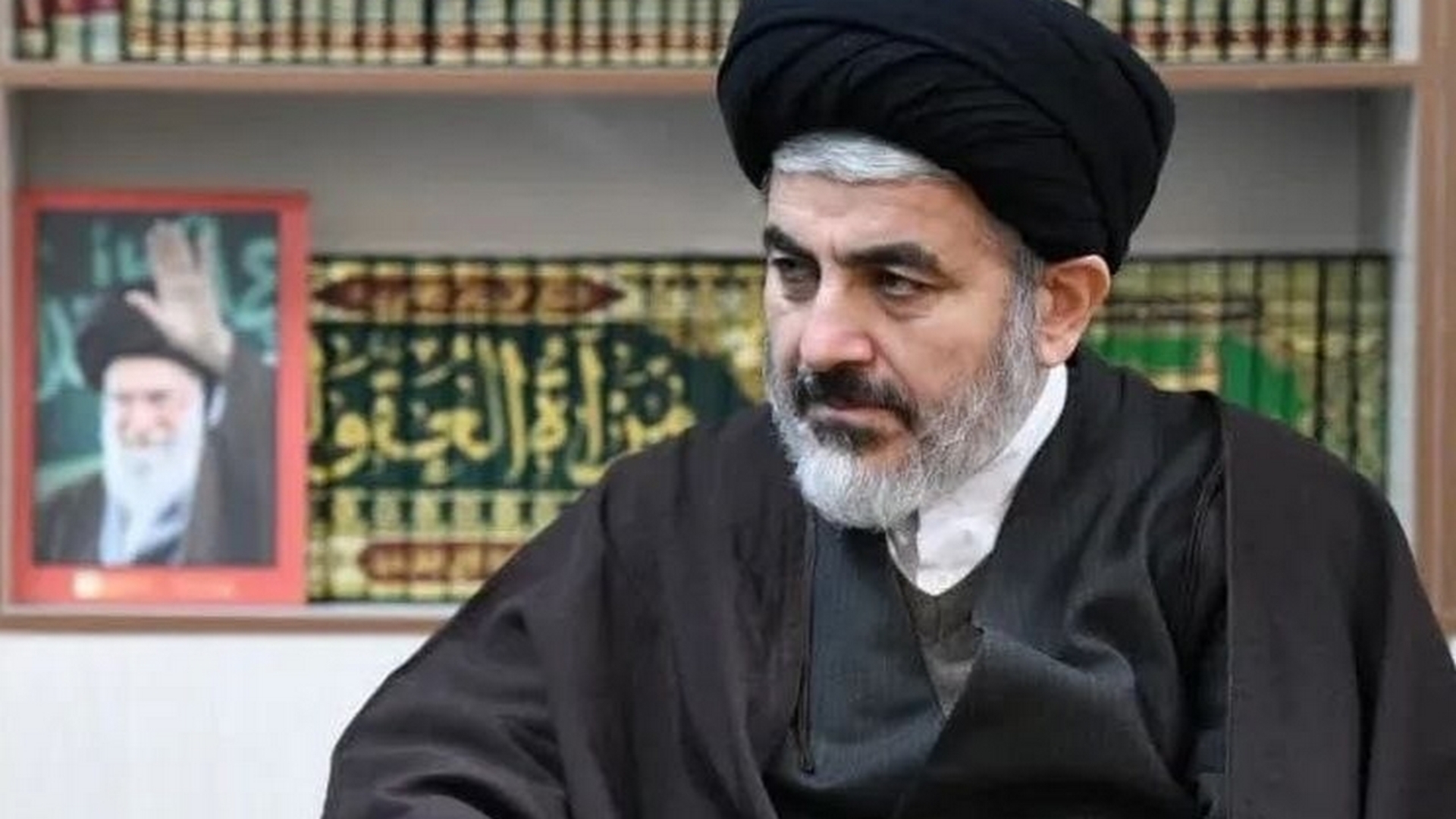
August 7, 2026 – Seyyed Mehdi Qoreishi, the Friday Prayer Leader of Urmia and Supreme Leader's Representative in West Azerbaijan Province, praised the Judiciary during Friday prayer sermons for executing individuals accused by the government of "collaboration with the enemy." He emphasized continuing "decisive action" and carrying out executions, described the "No to Execution" campaign and commentary by bloggers and celebrities on security cases as improper, labeled execution opponents as "modern ignorance," and called executions a "lesson" for society.
State media outlets such as Mizan and Tasnim quoted the Urmia Friday Prayer Leader as saying that he thanked the Judiciary for "dealing with individuals who collaborated with the enemy," stating that the Judiciary "did not compromise with these individuals and acted with seriousness." He further stressed: "This approach must continue with strength."
He went on to call raising the "No to Execution" slogan improper, stating: "Bloggers and celebrities have no right to comment on security issues... Such opinions stem from the interference of non-experts in specialized matters, whereas judgment and issuing verdicts fall solely under the jurisdiction of the court."
Qoreishi referred to opponents of execution as "modern ignorance" and claimed they seek "exoneration with the support of enemies." He also emphasized: "Qisas (retribution-in-kind) according to the explicit text of the Holy Quran is the source of life for society."
In conclusion, the Friday Prayer Leader of Urmia called executions a "lesson" for society, asserting: "Decisive execution of sentences regarding individuals who collaborated with the enemy and endangered the country's security can serve as a lesson for others so they do not step onto the path of collaborating with the enemy."
From an international human rights perspective, these statements contain several fundamental violations of human rights standards and norms:
Criminalization of the "No to Execution" Campaign and Freedom of Expression: Under Article 19 of the International Covenant on Civil and Political Rights (ICCPR), freedom of expression and commenting on social and judicial matters is a fundamental right of all citizens. Characterizing opposition to execution as "modern ignorance" or "collaboration with the enemy" is an attempt to silence civil society and strip away the right to peaceful advocacy and justice-seeking.
Threat to the Right to Life: According to Article 3 of the Universal Declaration of Human Rights (UDHR) and Article 6 of the ICCPR, the right to life is the most fundamental human right. Encouraging the acceleration and continuation of executions directly conflicts with the spirit of international instruments advocating for a moratorium and gradual abolition of the death penalty.
Covering Up Due Process Violations: Claims that verdicts are issued in specialized courts occur while, under Article 14 of the ICCPR, every defendant has the right to access a lawyer of their choice, a public and independent trial, and protection against forced confessions—rights that are systematically violated in Iran's Revolutionary Courts and security cases.
Instrumentalizing Capital Punishment for "Deterrence and Lessons": Using execution as an instrument to teach a "lesson to others" disregards human dignity and constitutes cruel, inhuman, and degrading treatment under Article 5 of the Universal Declaration of Human Rights.
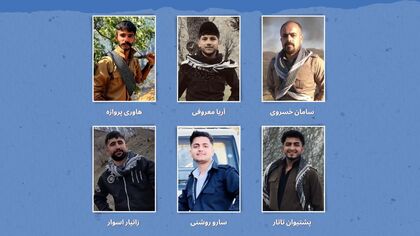
Since March 18, 2026 (Esfand 27, 1404), the Islamic Republic of Iran has executed at least 26 protesters, 13 political prisoners affiliated with prohibited opposition groups, and 12 individuals accused of espionage or collaboration with foreign governments. Among them, three young Kurdish political prisoners from Urmia named "Omid Behzad," "Mehrab Abdollahzadeh," and "Naser Bakrzadeh" were executed over the past three months. The bodies of all three were withheld from their families and subjected to enforced disappearance—a full manifestation of unfair judicial proceedings conducted under torture and forced confessions.