Iraqi Kurdistan; Weseh Ravanan, Kurdish Political Activist, Target of Repeated Physical, Psychological, and Hacking Threats by the Islamic Republic
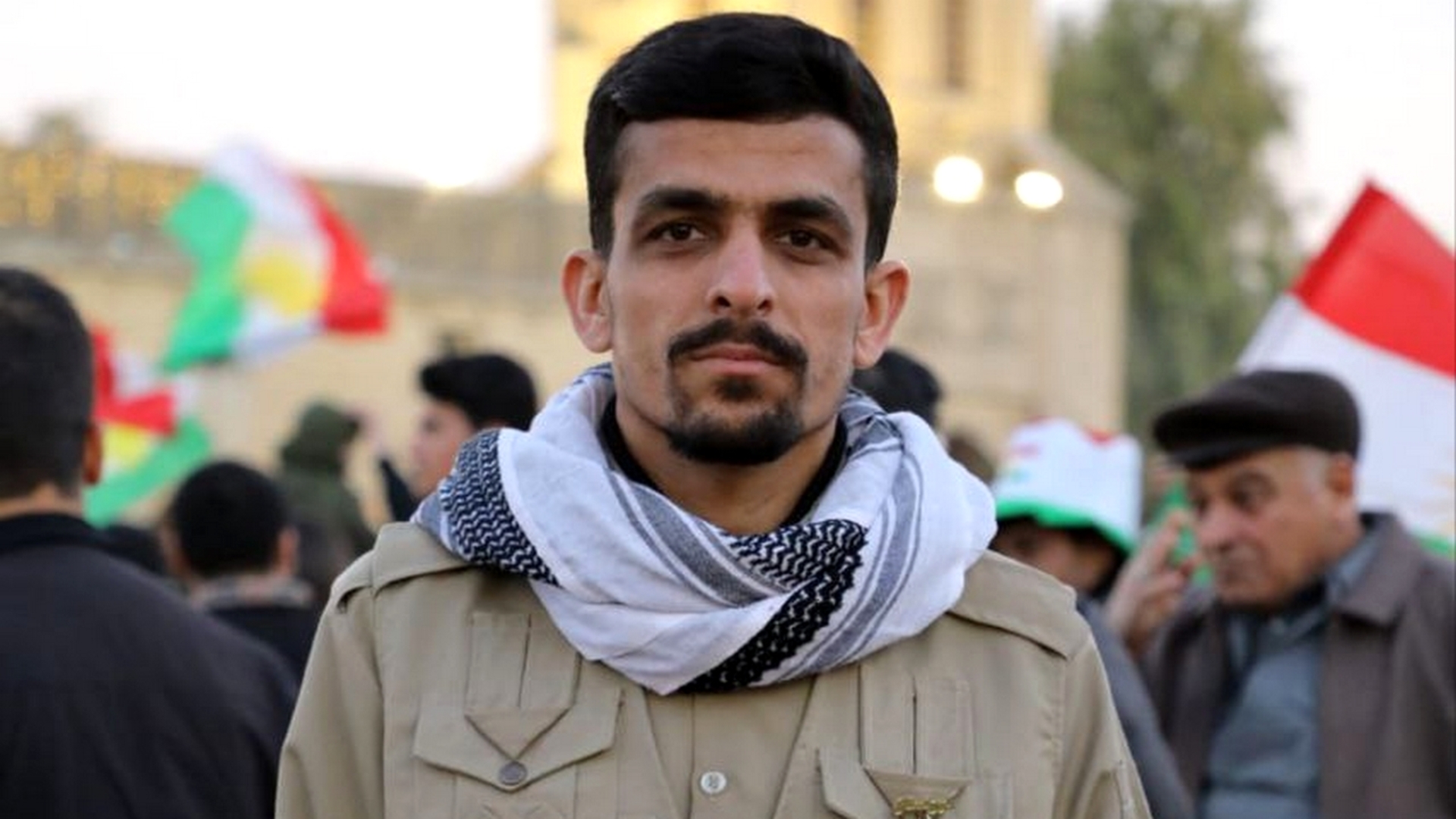
February 1, 2026; Weseh Ravanan (known as “Khaldar”), a Kurdish political activist residing in Iraqi Kurdistan, has faced a continuous, organized, and multi-layered series of pressures, life threats, psychological warfare, cyberattacks, and threats against his family inside Iran over recent months and years. These threats, carried out by individuals and channels attributed to the security agencies of the Islamic Republic, include threats of “abduction,” “assassination,” disclosure of personal information, publication of private content, monitoring of his residence, and direct pressure on his family members in Iran. Available evidence indicates that these actions take place within a specific pattern aimed at intimidating, silencing, and physically or politically eliminating an opposition activist, even outside Iran's borders.
This report is based on images of threatening text messages received and published on government-affiliated channels, conversations with “Weseh Khaldar,” discussions with an informed source regarding his security situation in Iraqi Kurdistan, and continuous documentation of hacking attacks and digital threats against him by a member of Kurdpa.
Background of Detention, Torture, and Security Case-Building Against “Weseh Ravanan” in Iran;
In 2017, Weseh Ravanan was violently arrested by the security forces of the Islamic Republic in Piranshahr without a judicial warrant. Following his arrest, he was held for four months in three different detention centers, including the Intelligence Organization of the IRGC in Urmia, the Ministry of Intelligence in Urmia, and the IRGC Intelligence Protection; there, he was subjected to intensive interrogations and physical and psychological torture.
After the interrogations ended, Weseh Ravanan was transferred to Naghadeh Prison and held there for another two months until he was finally released temporarily on a bail of 500 million Tomans. In the case built against him, the charge of “membership in the Democratic Party of Iranian Kurdistan” was raised.
Following his release, Weseh Ravanan became an official member of the Democratic Party of Iranian Kurdistan in Iraqi Kurdistan. Simultaneously, pressure from security agencies began to confiscate the property deeds submitted as bail; documents that totaled three deeds to complete the 500 million Toman bail. However, over the past year and a half, to cover the heavy financial costs of the bail, he was forced to go to one of the cities in Iraqi Kurdistan, find work, and provide the funds for the deeds.
Threats of Forced Return to Iran or Physical Elimination in Iraqi Kurdistan in Various Forms;
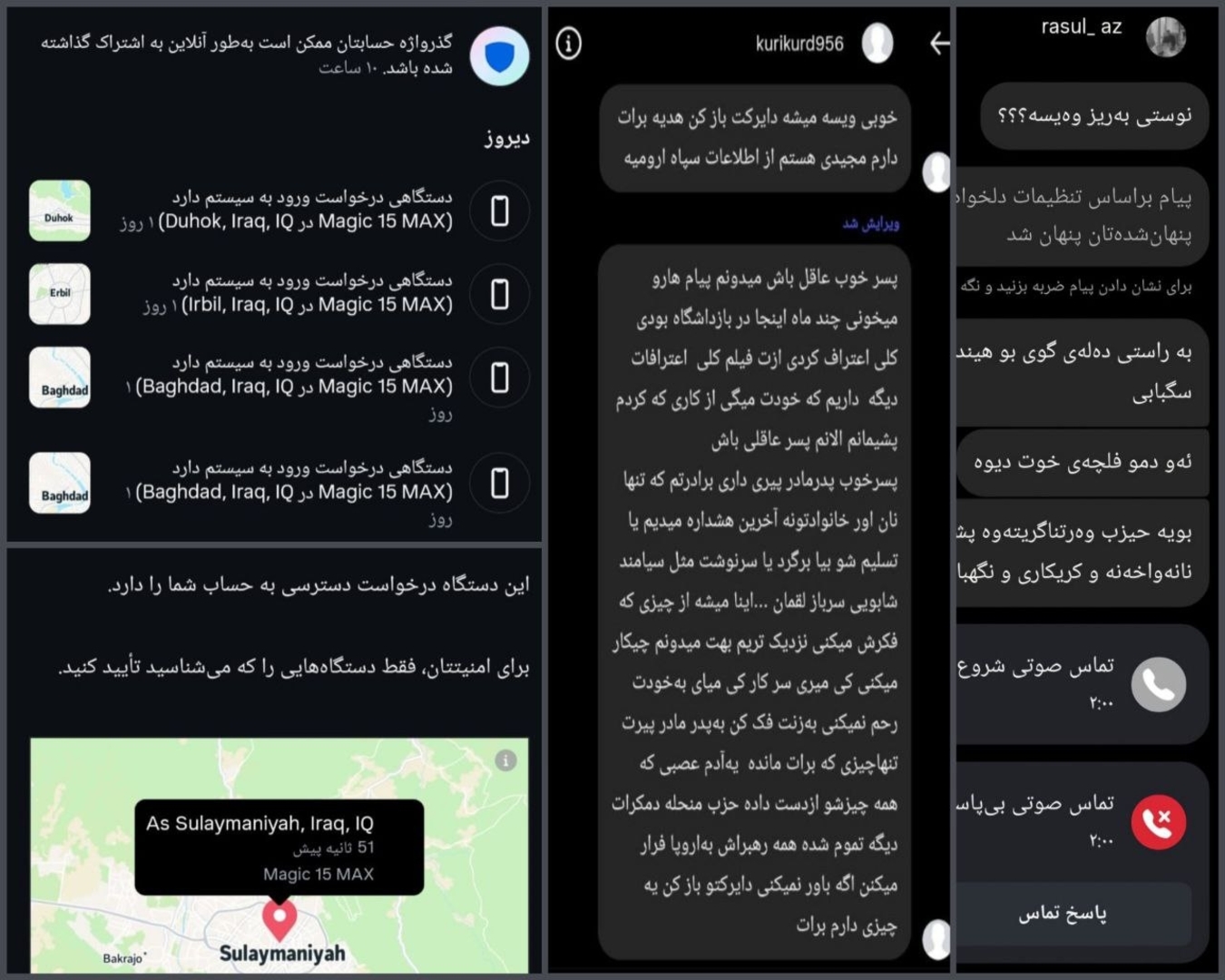
After settling in Iraqi Kurdistan, the threats against Weseh Ravanan not only did not stop but entered a new phase. In one instance, a message was sent to him where the sender identified himself as “Majidi from the IRGC Intelligence in Urmia” and, stating he had a “gift” for him, referred to Weseh Ravanan’s previous detention and claimed they possessed videos and forced confessions from him.
In this message, the threat was presented as a “final warning,” directly mentioning his elderly parents, his brother as the sole breadwinner of the family, and his wife. It stated that he must either return to Iran or a fate “like Siamand Shaboui” would await him, emphasizing that “we are closer to you than you think” and that they know exactly “what you do, when you go, and when you return.”
Siamand Shaboui, a member of the Democratic Party of Iranian Kurdistan, was assassinated on July 11, 2023, in Iraqi Kurdistan by agents of the Islamic Republic.
Facing direct threats to his life, monitoring of his residence, and repeated hacking attacks on his personal accounts was another part of the scope of threats aimed at accessing personal information, identifying his place of residence, and continuing security pressure. For this reason, within a period of one year and three months, Weseh Ravanan has been forced to change his place of residence at least six times due to repeated disclosure of his location and threats of physical elimination. In one case, the hacking of his personal email led to the identification of his residence, after which the life threats intensified.
Threats from “Rasoul Azarakhsh,” the Main Suspect in the Assassination of Two Political Activists in Iraqi Kurdistan;
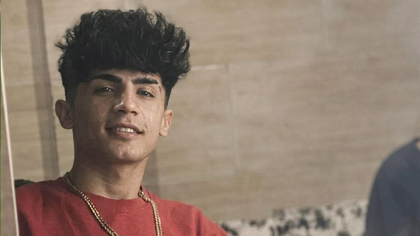
Part of the threats against Weseh Ravanan were made by an individual using the name and image of “Rasoul Azarakhsh” on social media. This individual fled to Iran on July 7, 2025, after the assassination of two members of the Democratic Party of Iranian Kurdistan named “Loghman Aji” and “Adel (Sarbaz) Mohajer” in Iraqi Kurdistan.
Following this, the court of Iraqi Kurdistan identified “Rasoul Azarakhsh” as the primary suspect in these assassinations. Despite this, he threatens political activists and members of Kurdish parties, especially the Democratic Party of Iranian Kurdistan, from inside Iran through an Instagram page using his real identity.
In messages sent from this account, Weseh Ravanan and his wife have been continuously targeted with profanity, threats, and psychological warfare. Furthermore, by sending images of Weseh Ravanan’s previous romantic relationships (it is unclear how this individual obtained them), they have threatened him that these images will be placed at the disposal of the “Diyar va Nadiyar” Telegram channel (affiliated with the security agencies of the Islamic Republic).
The Role of the “Diyar va Nadiyar” Channel Affiliated with Security Agencies in Threatening and Legitimizing Violence Against Weseh Khaldar;
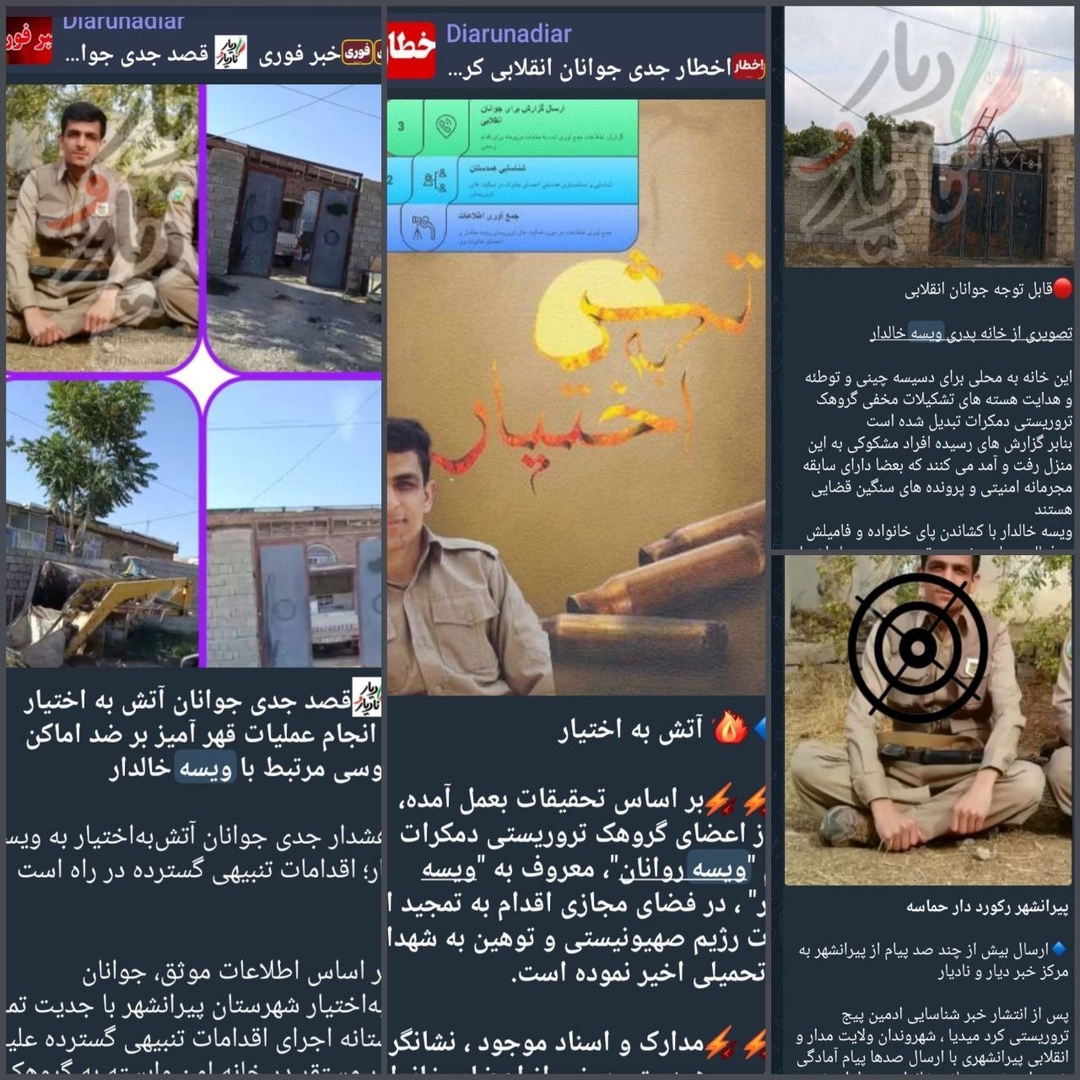
The “Diyar va Nadiyar” Telegram channel has for years been one of the primary tools for threats, intimidation, and the legitimization of violence against Kurdish political activists outside Iran. This channel, which identifies itself as the “Association for the Protection of Victims of Terrorism and Violence in Kurdistan,” in practice plays an active role in creating life-threatening risks for political activists by publishing threatening content, disclosing personal information, attributing security charges, and directly inciting audiences to violence, and even threatening the headquarters of Kurdish parties with missile attacks. Between October 23, 2023, and August 29, 2025, at least 26 specific pieces of content against Weseh Ravanan (Khaldar) were published on this channel, without a single instance of providing a valid document.
In all these cases, Weseh Ravanan’s political activity, his views regarding the Democratic Party of Iranian Kurdistan, and his presence on social media have been the main focus of the attacks. This channel accused him of “activity against the Islamic Republic” and “deceiving the youth,” and at the end of each narrative, attempted to create a disposable image of him through moral labeling. In one instance, by publishing an image with a shooting target placed over his face under the title “Statement of the Youth of Piranshahr,” it was announced that “the address, residence, phone number, specifications, place of business, and even the transit routes of all family members, relatives, friends, and acquaintances are at the disposal of the youth of Piranshahr,” adding that these individuals “will be punished according to the extent of their participation in the sinister plans of Weseh Khaldar.”
In other content, this channel claimed that hundreds of people had sent messages “declaring their readiness to neutralize the family, agents, subordinates, and colleagues of Weseh Khaldar” and wrote “locations of residential homes, photos of houses, agricultural lands, cars, etc., have been sent to Diyar va Nadiyar.” It then announced in an overtly provocative tone that every audience member of this channel is a “revolutionary force with fire-at-will authority” who can bring these individuals “to justice for their terrorist actions.” This content constitutes a clear instance of a death threat and a public call for extrajudicial violence.
Subsequently, “Diyar va Nadiyar,” through fabricated scenarios, claimed that the Democratic Party of Iranian Kurdistan intends to hand over Weseh Ravanan and even suggested that “it is better for him to be killed in a staged accident or by shooting.” Additionally, by publishing a photo of the door of his father's house in Piranshahr, it directly targeted his family with threats, warning that involving the family in his activities would deal them a “heavy blow.” In several other cases, the arrest of ordinary citizens was attributed to Weseh Ravanan’s activities in an attempt to transfer the responsibility for security pressure on others to him.
Overall, the performance of the “Diyar va Nadiyar” channel shows that this platform is not a media outlet, but part of an organized mechanism for extraterritorial threats; a mechanism that has seriously endangered the lives of Weseh Ravanan (Khaldar) and those around him by disclosing personal information, making death threats, inciting the audience, and linking the virtual space with field pressure on families.
Pressure on the Family in Iran for His Return to Iran or Cooperation with Security Agencies;
Another layer of pressure against Weseh Ravanan is the application of threats, summons, and repeated arrests of his family members in Iran. These actions are carried out with the aim of forcing him to return to Iran or cooperate with security agencies, and in threatening messages, his family has been directly targeted.
In some cases, images of his father’s house were published on government-affiliated channels, threatening that if Weseh Ravanan’s political activities continue, his family will face serious security consequences.
Kurdpa Human Rights Organization;
The Kurdpa Human Rights Organization strongly condemns the continuous physical and security threats against Weseh Ravanan (Khaldar) and other Kurdish political activists residing in Iraqi Kurdistan, including threats of “abduction” and “assassination,” targeting families, and disclosing personal information. According to international human rights standards, the political opposition has the right to activity, freedom of expression, and participation in the future destiny of their country. However, members of Kurdish parties have not only been deprived of these rights but have for years been the targets of assassinations, extraterritorial missile attacks, and security pressures. Applying threats, arrests, and pressure on the families of political activists is also a clear instance of collective punishment and a gross violation of human rights and the rules of international law.
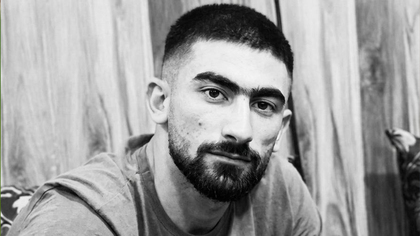
Images related to his threats;
Prepared by: Awin Mostafazadeh