Shabad/Kermanshah; The End of the Lives of a Female Adolescent and a Conscript Soldier by Suicide

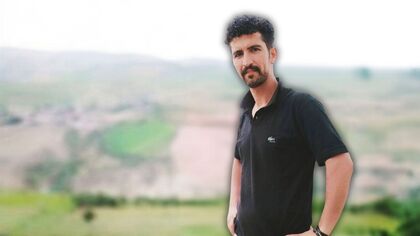
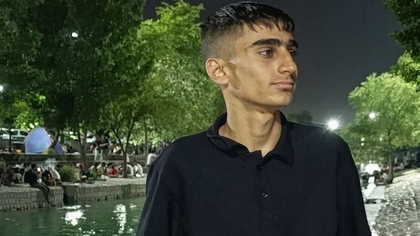
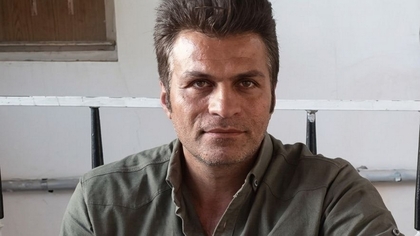
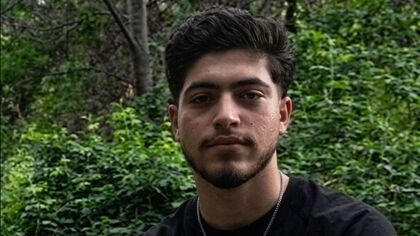
June 21, 2026; During the past days, a female adolescent named “Kazhal Rostami” and a conscript soldier named “Reza Asadi” ended their lives by committing suicide.
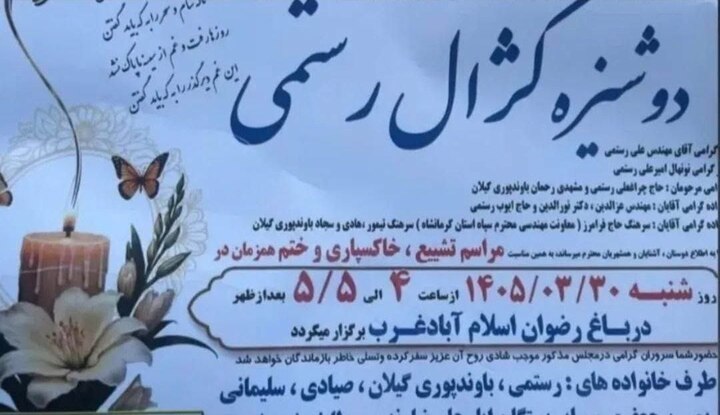
An informed source, while confirming this news, told Kurdpa: On Saturday, June 20, 2026, a female adolescent named “Kazhal Rostami,” from Eslamabad-e Gharb (Shabad), a subordinate of Kermanshah province, committed suicide due to “personal” problems and lost her life.
Also during the past days, a young Kurdish man named “Reza Asadi,” 19 years old and from Shabad, who was a conscript soldier in Sarpol-e Zahab, committed suicide and lost his life using a service weapon during his guard post at his place of service following “economic pressures.”
An informed source spoke to Kurdpa regarding the phenomenon of suicide in Eslamabad-e Gharb, stating: “The situation of suicide in Shabad is concerning and horrific. In the past few years, there has rarely been a week or a month without a case of suicide occurring in this city. Even cases of collective and family suicides have been observed, where some individuals left notes before their deaths.”
This source added: “The questionable point is that in the summer season, the suicide statistics in this city and in Kermanshah province in general increase. I remember that in one of the past years, more than 20 adolescents and youths committed suicide in this region in just one season.”
Investigations and research conducted inside Iran indicate that the high statistics of suicide in Kermanshah province and cities like Eslamabad-e Gharb (Shabad) are the result of the coincidence of crises such as widespread unemployment, chronic poverty, economic pressures, family problems, and the decline of psychological resilience in society. Experts have also pointed out the role of copycat suicides among adolescents and youths, as well as the remaining psychological effects of war and intergenerational trauma.
Official statistics and scientific research show that the suicide rate in western provinces including Kermanshah, Ilam, and Lorestan is significantly higher than the national average. Most cases have been recorded among adolescents and youths between 15 and 30 years old, and some studies have also reported an increase in suicide cases during the warm seasons of the year.
Despite the implementation of programs such as the Social Emergency, prevention committees, and psychological interventions, this crisis still continues. From a human rights perspective, the right to life and possessing decent living conditions obligates the government to eliminate the underlying factors of this situation, including poverty, unemployment, and structural deprivation; because without removing these root causes, supportive and therapeutic measures alone will not be able to sustainably control this social harm.
If you are experiencing thoughts of suicide, contact these numbers in Iran:
Social Emergency: 123
Voice of Counselor: 1480