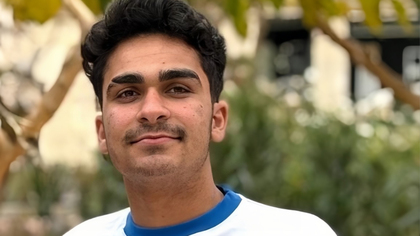
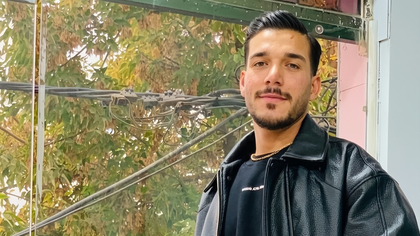
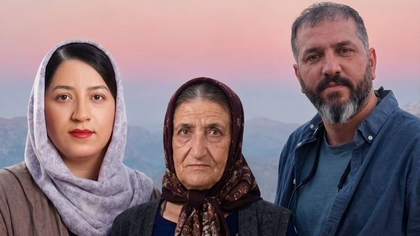
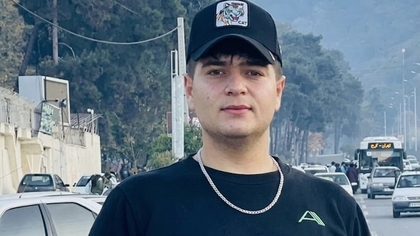
Abolhassan Montazer and Vahid Bani-Amerian were also executed secretly Political and mass executions of 6 individuals within one week
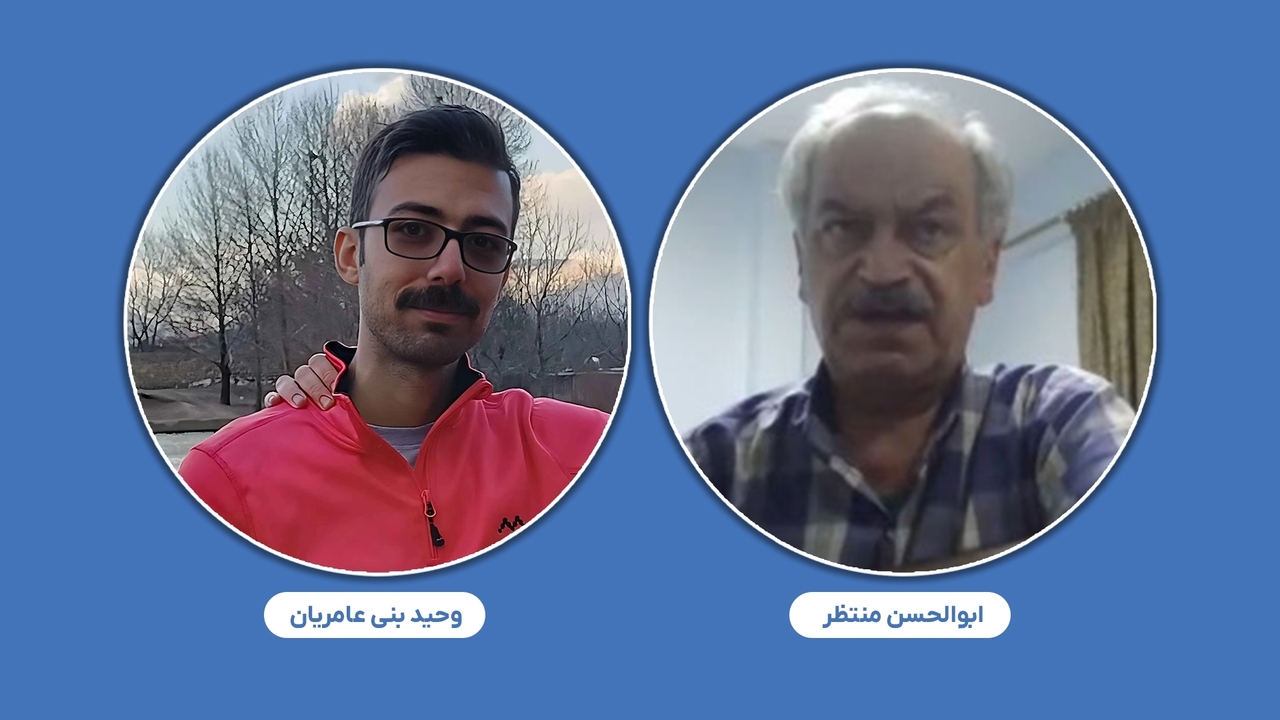
In the continuation of the new wave of executions of political prisoners by the Islamic Republic of Iran, this morning, April 3, 2026, two political prisoners named Abolhassan Montazer and Vahid Bani-Amerian were executed secretly and without prior notice to their families or lawyers. "Pouya Ghobadi", "Babak Alipour", "Mohammad Taghavi Sangdehi", "Ali Akbar (Shahrokh) Daneshvarkar", "Vahid Bani-Amerian", and "Abolhassan Montazer" were 6 political prisoners in a single case whose death sentences were carried out by the Islamic Republic of Iran within one week.
State media, including Mizan, the official news agency of the Judiciary, published this news without mentioning the location of their execution, writing that these two political prisoners were sentenced to death on charges of "Baghy" (armed rebellion), connection with the "People's Mojahedin Organization", and "assembly and collusion against national security".
Reports indicate that these executions were carried out in Ghezel Hesar Prison in the city of Karaj.
The execution of these individuals took place under circumstances where, according to reports, their judicial process was accompanied by serious violations. Among these, the defendants were subjected to physical and mental torture — including threats of mock executions — to extract confessions, were held in solitary confinement for long periods, and were deprived of effective access to a lawyer. Furthermore, the state news agency has so far broadcast forced confessions from "Pouya Ghobadi", "Babak Alipour", "Mohammad Taghavi Sangdehi", and "Ali Akbar (Shahrokh) Daneshvarkar".
In the judicial process, Branch 26 of the Tehran Revolutionary Court, presided over by Judge Iman Afshari, sentenced these six prisoners to death on November 25, 2024, on the charge of "Baghy" through membership in the People's Mojahedin Organization of Iran. They were also sentenced to imprisonment and exile on charges such as "assembly and collusion against national security". According to the families, the defendants had only a few minutes to defend themselves, which is contrary to fair trial standards.
Although the Supreme Court had overturned the death sentence in June 2025 and referred the case for retrial, in November of the same year, these individuals were tried again in the same branch and were sentenced to death again on December 7, 2025. The timing of the final confirmation of these sentences is not clear, and reports indicate that while the families were waiting for the Supreme Court's opinion, the death sentences were suddenly carried out.
Details regarding the personal status of some of the executed individuals also intensify concerns. "Babak Alipour", 34 years old and a law graduate, suffered from serious physical problems during his detention and was deprived of access to medical services. "Pouya Ghobadi Bistooni", 34 years old, an electrical engineer and graduate of the University of Kurdistan, a calligrapher and Santur player, was a Kurdish citizen from the city of Sonqor in the province of Kermanshah. "Ali Akbar (Shahrokh) Daneshvarkar", 59 years old and a civil engineer, was arrested at his home in December 2023, and "Mohammad Taghavi Sangdehi", 60 years old and a survivor of the 1988 executions, had been kept in solitary confinement for about a year. Additionally, "Abolhassan Montazer" was 66 years old and from the city of Tehran, and "Vahid Bani-Amerian" was from the city of Sonqor and Kolyaei and a university graduate.
The secret execution of death sentences, the failure to inform families and lawyers, and the existence of serious ambiguities in the judicial process are all signs of the violation of international human rights obligations. In the meantime, the continued risk of execution for two other prisoners in this case highlights the necessity for immediate action to stop the execution of the sentences and to guarantee their fundamental rights, including the right to life and access to a fair trial.