Fateh Mahmoudi; Arbitrary Detention, Physical and Psychological Trauma, and a Death Under the Shadow of Security Threats
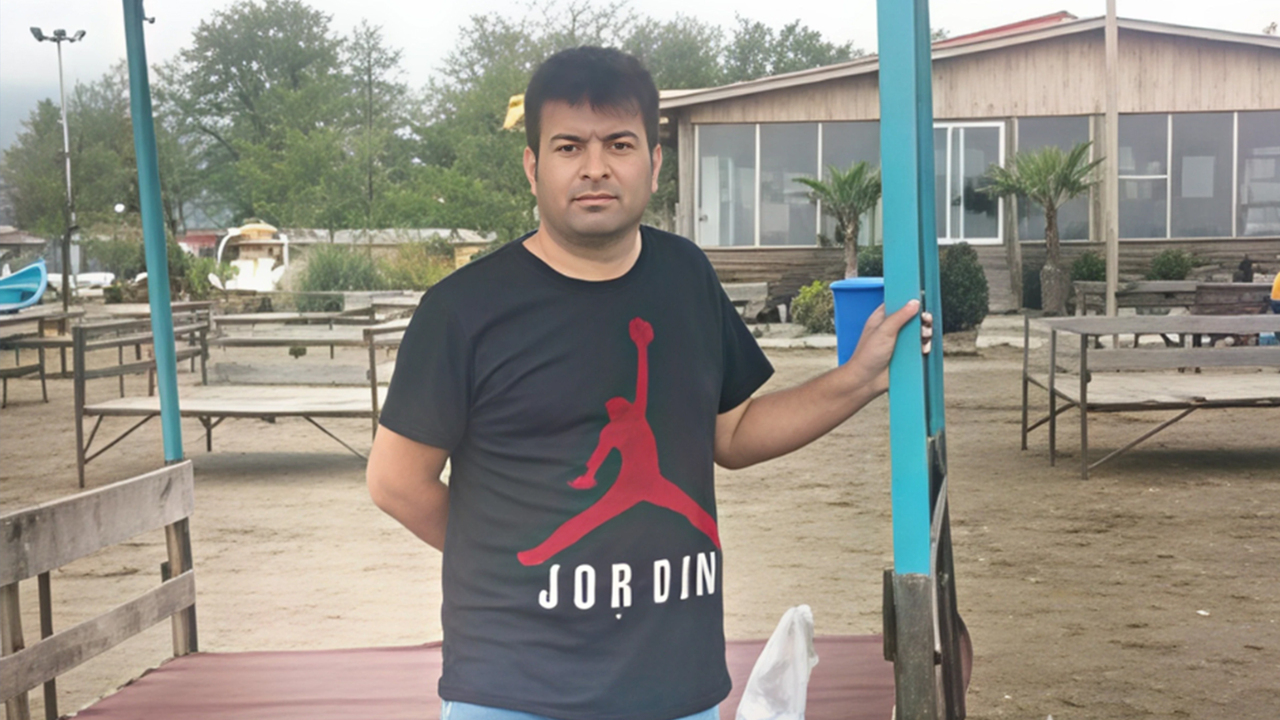
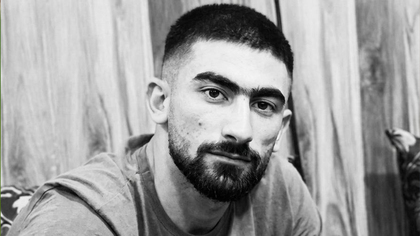
Fateh Mahmoudi, a 36-year-old Kurdish citizen from Saqqez, was arrested in May 2025 by the forces of the Saqqez Intelligence Administration and was subjected to interrogation, torture, and inhumane treatment in an unknown location for two months. His release, which was carried out by abandoning him in front of his home, was accompanied by severe physical and psychological injuries, including extensive bruising, speech and memory impairment, and visible psychological disorders. Despite having no underlying diseases prior to his arrest, he lost his life on October 5, 2025, in a Tabriz hospital following three months of suffering from liver failure and acute post-torture psychological conditions.
Objective and Importance of the Report; Documenting the Truth of Fateh Mahmoudi’s Death and the Responsibility of Security and Judicial Bodies:
This report is prepared with the aim of documenting the conditions of detention, torture, and the subsequent consequences for Fateh Mahmoudi. Following his release, Mr. Mahmoudi was unable to focus or recount what had happened to him due to the effects of torture and acute speech and memory disorders. Simultaneously, his family, who were in a vulnerable economic and social position, were placed under constant pressure and threats by security agencies to refrain from any information sharing or follow-up. Even after his death, security agencies refused to provide the forensic medical report and only handed over the body upon the signing of a written commitment. This action demonstrates the security situation governing his life and death and the attempt to portray the death as "natural."
However, Kurdpa has documented this report based on interviews with a source close to the family—who was aware of Fateh Mahmoudi’s situation from the beginning of his detention and repeatedly encouraged the family to share information and pursue his case—as well as confirmation from Kurdpa’s reliable sources. This report attempts to show, through details of visible evidence including extensive bruising, speech and memory impairment, psychological trauma, and Mr. Mahmoudi’s intense fear after release, that the conditions of detention and the high probability of drug poisoning and the subsequent situation endangered his life. Therefore, recording these events, even with minimal information, is vital to clarifying the facts regarding his death and making the responsible institutions accountable.
Two Months of Detention and Complete Lack of News Regarding Fateh Mahmoudi’s Fate, Followed by a Nighttime Abandonment in Dire Condition at His Doorstep:
Fateh Mahmoudi, a 36-year-old Kurdish citizen from Saqqez, had been arrested and interrogated several times by the Saqqez Intelligence Administration prior to his recent detention. On May 5, 2025, he was arrested by Saqqez Intelligence Administration forces and transferred to an unknown location.
According to Kurdpa’s informed source, during the two months of detention, Fateh Mahmoudi was subjected to interrogation and torture, and numerous physical and psychological injuries were inflicted upon him. The family had no information regarding his place of detention or fate until his release.
His release in July 2025, after two months of arbitrary detention, was carried out by abandoning him in front of his home at night. From that moment, his physical and psychological condition was dire, with symptoms including extensive bruising on his body, speech and memory impairment, psychological trauma, and intense fear. Simultaneously, his family was placed under the pressure and threats of security forces to refrain from reporting or follow-up. Even after his death, security agencies did not provide the forensic report and only handed over the body to the family upon the signing of a written commitment.
Description of Fateh Mahmoudi’s Physical and Psychological Deterioration from Release until Death Under Security Pressure, Refusal to Hand Over Forensic Reports, and Violent Handover of the Body:
Kurdpa’s informed source explains the details of Fateh Mahmoudi’s dire physical and psychological condition until his death as follows: After his release, Fateh Mahmoudi’s physical and psychological state was extremely critical. Bruising was visible around his eyes and abdomen, and his food intake had significantly decreased. He also suffered from a severe lack of concentration, speech, and memory. He could barely express sentences correctly; his words were constantly interrupted or displaced, as if he had lost the ability to convert thoughts into speech and could not articulate words. On the other hand, he suffered from intense fear and was in a state of constant terror, such that whenever someone knocked on the door, he would first make family members swear to ensure who was behind the door before opening it.
The family, assuming this situation was the result of torture and psychological pressure from the detention period, hoped his condition would improve over time and refrained from seeking medical help or reporting the situation to avoid increasing his fear. However, his psychological and physical state gradually worsened, and he was no longer able to recount the events of his detention or describe what had happened to him.
Simultaneously, security agencies severely threatened the family not to make any requests in this regard and not to speak to any individual or media about his condition. Despite warnings from relatives and acquaintances regarding the necessity of reporting what had happened to him, the family remained silent out of fear of security pressure and threats.
Subsequently, symptoms of severe liver failure appeared in him. As his physical condition worsened, the family was forced to transfer him to the hospital. Fateh Mahmoudi was initially hospitalized for seven days in Saqqez Hospital and was admitted using his brother’s insurance booklet due to financial problems. Doctors announced that his liver had failed and a transplant was not possible. Hoping to save him, the family purchased an injectable medication at a cost of about seventy million Tomans, but it had no effect.
Following the lack of improvement, he was transferred to a hospital in Tabriz in the hope of being saved, but he died in that hospital on October 5, 2025. His body was kept in the Tabriz hospital for two days and underwent a full autopsy. On the third day, his body was handed over to the family, and on October 8, 2025, he was buried in the "Aichi" cemetery in Saqqez.
During this period, security agencies maintained full control over the situation. Despite repeated requests from the family, the autopsy report was never handed over to them. Security forces at the Tabriz Forensic Medicine Office, with high violence, forced the family to sign a written statement to receive the body, declaring that they had no complaints against any institution or official. Out of fear that the body would not be released, the family was forced to sign it.
According to Kurdpa’s informed source, Fateh Mahmoudi was arrested in early 2025 due to posting several videos on his personal Instagram page.
In one of these videos, showing his face and using a Kurdish song, he states: "Let it be a vow, against the oppression of the Revolutionary Guards, I shall become a Peshmerga of the mountains and 'Kosalan.' Let it be a vow, I shall become a Peshmerga of Dr. Ghassemlou; let it be a vow, I shall go to 'Turyvar,' I shall become a Peshmerga with a 'Jamaneh' on my head. I send my greetings and respect to the honorable people of Kurdistan, and in the whole world, no people are as good as our own."
In another video, in the city of Mahabad, he goes to the execution site of Qazi Muhammad, a Kurdish political leader, and says: "This is the place where Qazi Muhammad was executed in Municipality Square. But let me tell you something interesting; many do not know that this tree is one of the oldest trees and a chain still remains on it, the same chain with which Qazi Muhammad was executed. There are other chains higher up the trunk with which other Peshmergas were executed."
Also, in another video in the same city, he appears with a bouquet of flowers at the graves of some famous Kurdish figures, including Mohammad Mamle and Mamousta Hemen, and says: "At the graves of the great martyrs, the living and immortal martyrs."
According to the aforementioned source, these videos are still present on Mr. Mahmoudi’s Instagram page, but due to the account being private, only his friends are able to view them.
Fateh Mahmoudi, 36 years old, was married and the father of a two-year-old girl.
Role and Accountability of Security and Judicial Bodies in the Death of Fateh Mahmoudi:
In the case of Fateh Mahmoudi, the security and judicial bodies of Kurdistan province have direct or supervisory roles and, according to the laws of the Islamic Republic of Iran and the international human rights commitments of the Iranian government, are responsible for protecting the life, physical and mental health, human dignity, and legal rights of citizens. According to principles including the Constitution of the Islamic Republic of Iran (Articles 38 and 156) and international laws such as the International Covenant on Civil and Political Rights (ICCPR), any detention and treatment of citizens must be based on the law, without torture or inhumane treatment, and with respect for access to medical care and judicial rights.
Mohammad Jabbari, the Prosecutor of the Center of Kurdistan Province, was responsible for supervising detentions and ensuring the legal rights of detainees were respected and was obliged to guarantee access to a lawyer, family notification, and medical care.
Seyyed Hossein Hosseini, the Chief Justice of Kurdistan Province, as the highest judicial official in the province, is responsible for supervising the performance of the prosecutor's offices and courts and ensuring the accountability of officials in the event of violations of citizens' rights.
In the security sector, the Head of the Intelligence Administration of Kurdistan Province and Saqqez County and the security forces under their supervision were responsible for carrying out the arrest, interrogation, and public security; any torture, inhumane treatment, or restriction of access to medical care and threats against the family rest upon them.
Furthermore, the Tabriz Forensic Medicine Office was obliged, in compliance with domestic laws and international standards, to guarantee the family's access to medical and autopsy reports and to prevent the forced signing of written commitments.
Available evidence indicates that the arrest of Fateh Mahmoudi was carried out without a judicial warrant and arbitrarily, and after his release, his family was subjected to constant pressure and threats by security agencies. In addition, the handover of the body only upon the forced signing of a written commitment and the refusal to provide forensic reports reflects a violation of the legal and human rights responsibilities of the relevant authorities. Kurdpa considers it its duty to ensure the truth of this matter is clarified, even in the future. Recording and documenting this information, even with the minimal evidence available, is of vital importance as it can lead to transparency, hold officials accountable, and provide a basis for further investigation by human rights organizations and independent bodies.