Qolqoleh Gold Mine of Saqqez: A Security-Economic Project Under the Command of the Corrupt and Sanctioned "SHASTA" Holding; People's Lives and Environment Sacrificed for Government Profit and Power
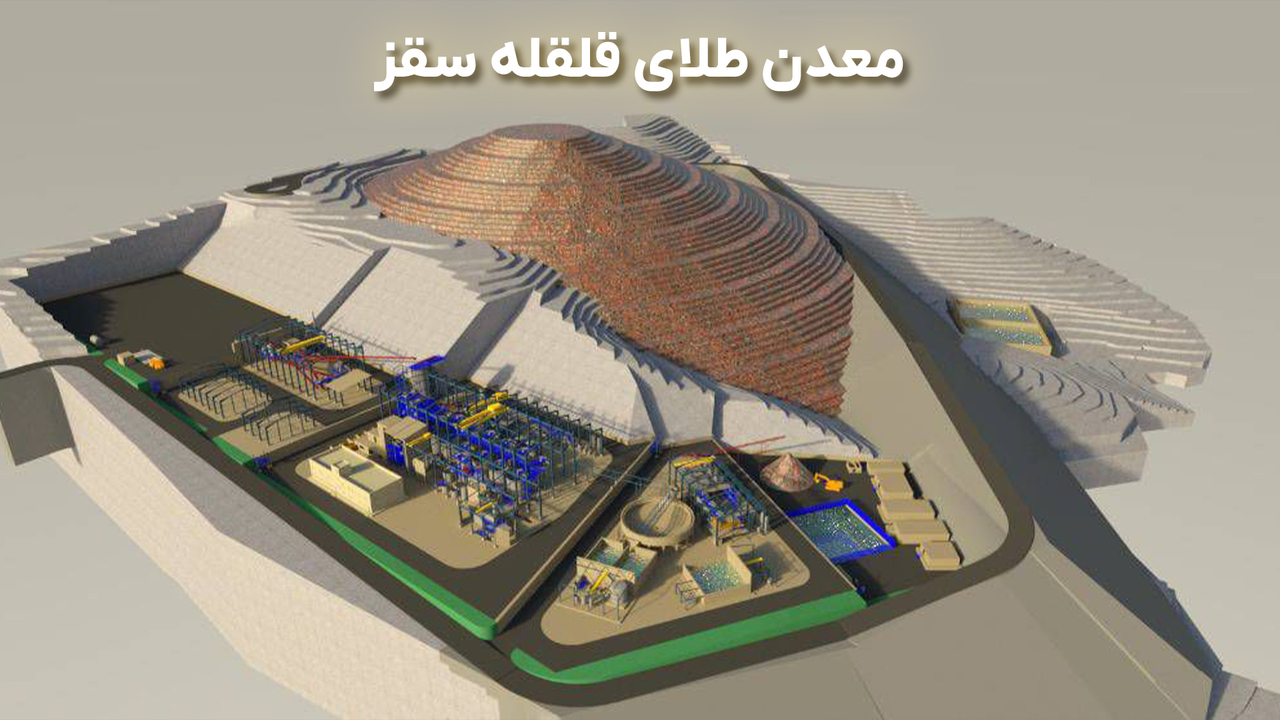
Qolqoleh Gold Mine of Saqqez is a symbol of the government's deadly policymaking; a project in which the lives, health, and environment of the people hold no importance, and all priorities are dedicated to securing profits and strategic gold reserves for the government. This mine is managed under the supervision of the "SHASTA" holding and its subsidiary "TASICO," through the "Kurdistan Gold Mines Development Company." SHASTA, Iran's largest economic holding, characterized by widespread corruption, extreme secrecy, and international sanctions, serves as the government's financial and security arm. With total dominance over the region's natural and economic resources, it views the extraction of Qolqoleh gold not as an economic project, but as a security-political tool to provide immediate liquidity and strengthen government power. Amidst budget deficits and broader sanctions, Qolqoleh gold has gained vital importance, and priorities have shifted toward indiscriminate extraction and the suppression of public protests, even by militarizing and securitizing the region. The area has been transformed into a security-economic base through fencing, guard towers, and the presence of armed guards under the control of the mine's protection unit.
In contrast, public protests, including the "Stop the Activities of Saqqez Gold Mine" campaign with over 17,000 signatures and dozens of official letters, were effectively ignored, and officials' promises to halt activities if the health of the people and environment were threatened were merely slogans. The mine's security structure—with fencing, towers, and armed guards—demonstrates that the government views Qolqoleh gold not as an economic project but as a security-economic instrument. This policy reached its peak in September 2025, when Mohammad Rashidi, 22, was targeted and killed by a burst of gunfire from guards at close range during a peaceful protest against the mine's activity. His killing was met with silence and ambiguous narratives from officials, becoming a symbol of the preference for gold over the lives and land of the people. Furthermore, its coincidence with the anniversary of the state-killing of Jina-Mahsa showed that the government, which had already militarized and securitized the region, feared any potential public reaction and anger, ensuring that even the burial ceremony and the narrative of this killing remained under security control. This policy reveals that the government uses the tools of violence and suppression to maintain profit and total control over resources, even by threatening the lives and environment of the people, and that gold is preferred over the lives, land, and future of the people for the survival of power.
The environmental consequences of the mine are catastrophic: extensive water consumption during water shortages, the entry of cyanide and heavy metals into the soil and water, severe erosion, destruction of vegetation and biodiversity, and the threat to the health of future generations with an increase in genetic diseases and cancer. Continued activity without independent oversight and transparent accountability will intensify the environmental, social, and human crisis, threatening the health of millions of people downstream of the Zarrineh-rud basin and in cities such as Tabriz and Bukan.
This report is prepared based on interviews with three reliable sources, an environmental expert, documents from the "Stop the Activities of Saqqez Gold Mines" campaign, and documented research from official sources and credible news, to provide a comprehensive picture of the "Qolqoleh" gold mine of Saqqez, its environmental, social, and managerial impacts, and related corruption; a project that has sacrificed the lives and environment of the people for profit, security-economic goals, and the government's strategic reserves, representing a dangerous pattern of prioritizing the government's immediate profit over the lives and future of the people.
Qolqoleh Gold Mine of Saqqez; Economic Profit for the Government, Destruction of Environment, Land, and Lives for the People:
The "Qolqoleh" gold mine, located 35 kilometers southwest of Saqqez county, is considered one of the most important mining projects in Kurdistan Province, with its exploration history dating back to the early 1990s.
The Qolqoleh gold mine of Saqqez was identified between 1992 and 1996, and studies showed that the extraction of high-grade gold from this area is cost-effective and profitable. Following the issuance of the discovery certificate, this mine was placed on the public auction list in 2012. Contrary to the usual procedure where discovered mines are assigned to the Ministry of Industry, Mine and Trade—which was somewhat cleaner and more transparent than "SHASTA"—the privilege of this mine was given to the SHASTA holding and its subsidiary, "TASICO."
For specialized exploitation, a new company named "Kurdistan Gold Mines Development" was established, and the exploitation license for the Qolqoleh mine was issued in this company's name. Since 2013, the operational management and development of the Qolqoleh mine have been entrusted to the Kurdistan Gold Mines Development Company, which operates under the supervision of the TASICO holding. Thus, the exploitation of the mine from the exploration stage to extraction and supplying the factory's feed has been specialized and centralized under this company and the SHASTA subsidiary.
Exploitation operations at the Qolqoleh gold mine of Saqqez began in January 2018 in the presence of Ali Rabiei, the then Minister of Cooperatives, Labour, and Social Welfare. The initial location for the construction of the gold processing factory was upstream of the Cheragh Veys Dam, the source of Saqqez's drinking water, which faced opposition from the Department of Environment and Regional Water, causing the project to stop until a final location was determined. Following expert reviews and obtaining environmental permits, the factory was moved downstream of the dam, at a distance of 25 kilometers from the mine.
According to Habibzadeh, the Deputy of Environment of Kurdistan Province, to reduce the risk of pollution, the tank leaching method was used, and sampling of water, soil, and air was conducted before operations began to establish reference data. He also stated that the opinions of local people were recorded through questionnaires, and in the event of pollution or documented protest, the Department of Environment would act based on scientific criteria and data, and would even take action through judicial authorities.
However, Hiwa Hosseini, an environmental activist and member of the protest campaign against the Saqqez gold mine, in a conversation with IRNA, severely criticized the extraction process, stating that mining activities in the region were conducted without scientific backing and real environmental assessment. He emphasized that during the previous governor's term, permits were issued symbolically and contrary to the people's interests, without any public consultation or distribution of questionnaires. According to him, this situation is reminiscent of colonial patterns where mines were developed in areas considered unimportant by the rulers, and today the same process is repeating. Referring to the severe pollution of the Zarshuran and Aghdarreh mines, he warned that Kurdistan is facing the same fate. He emphasized that the Saqqez mine threatens vital water resources, including Tabriz's drinking water, and the "Qolqoleh" region, whose name is derived from the natural bubbling of water, is now in danger of destruction. The activities of the mine and processing factory have polluted water and soil resources and endangered the people's health. This issue extends beyond the people of Saqqez and includes Bukan, Tabriz, and the entire region, and if ignored, complaints will be filed based on international laws. He concluded: "We will resist the continued operation of the mine until our last breath so that future generations can hold us accountable."
From 2017 to 2023, the mine's activity continued as a pilot and exploration study. According to an expert speaking to Kurpa, a major part of the production was transferred to the Zarshuran mine, and a portion of the gold was also sent to cities like Bukan and continues to this day. This process has been reported along with illegal production and widespread corruption. The total activity of the mine consists of three main parts: the mine, the factory, and the tailings dam, which are built adjacent to each other and have seized parts of the people's agricultural lands and the environment without permits. The encroachment on agricultural lands and trees has led to numerous complaints in the Saqqez court.
The construction of the Qolqoleh gold factory of Saqqez began in November 2022 and was supposed to be operational in the first half of 2024, but due to technical changes, challenges regarding the factory location, and financial problems, its opening was postponed to September 2025. According to Meghdad Majdi, CEO of the Kurdistan Gold Mines Development Company, extraction at the mine began three months ago, and the extracted materials are to be transferred to the factory. He emphasized that the permit for establishing the factory was obtained in 2021 from the Ministry of Industry, Mine and Trade (MIMT), and the project is proceeding under the supervision of the Department of Environment and other monitoring agencies, adhering to requirements and high safety levels.
An environment and mines expert, confirming the Saqqez gold mine's activity under SHASTA's supervision, says: The Qolqoleh gold mine of Saqqez operates under the SHASTA organization and its subsidiary, TASICO. SHASTA, which is managed by retired IRGC members, is the place for conducting gold economic transactions and receiving major government projects during government budget deficits.
Saqqez gold mines have a very high grade, and in terms of area and reserves, they are estimated to be even larger than the Zarshuran mine, Iran's only world-class mine with 110 million tons of ore. This led to the launch of the "Saqqez Gold Mines Development Plan," which includes the regions of "Kasnazan," "Karouian," "Mirgeh Naghshineh," "Pir Omran," and extends to Baneh and Piranshahr.
The mine's activity consists of three main parts: the mine, the factory, and the tailings dam, with the factory and dam built adjacent to each other. Part of the mine's land belongs to the people and part to the environment, which was seized without permits, leading to numerous legal cases in the Saqqez court. Some lands were sold by individuals who no longer live in the village.
Since 2017, excavation and extraction operations began, but part of the production was transferred to the Zarshuran mine and part to cities like Bukan.
This process is accompanied by widespread corruption and extreme secrecy. For example, none of the engineers know the exact capacity of the mine or the gold transfer route, because the gold extraction process involves several simple but secret stages: mine explosion, mining stages, and processing until reaching the last part of the factory, the gold room. In the gold room, extracted materials enter the room via pipes and are poured onto the hearth to be turned into ingots. Only the managing officials are present in this section, and engineers have no access to or view of the production volume. Ultimately, due to the strategic importance of gold for the government, especially in the current situation, the exact production volume is not officially announced. At the Zarshuran mine, according to reports, approximately 3 kilograms of gold are produced daily, but some sources believe this figure could be up to 5 kilograms per day.
Corruption had progressed to the point that, for instance, at the Agh-darreh/Zarshuran mine, the Friday Imam of Takab had received several billion Tomans to agree to the mine's construction. Regarding the Qolqoleh gold mine, previously, the village head and council of "Pir Omran" also received 6 billion Tomans for agreeing to the mine.
SHASTA Rules Over the Saqqez Gold Mine; An Entity of Corruption and Sanctions to Armed Protection for Killing People:
SHASTA is the largest multi-sectoral holding in Iran and has more than 163 subsidiary companies. Its activities include mining, metal, petrochemical, pharmaceutical, food, and agricultural industries, playing a major role in the Iranian economy and providing financial resources for the Social Security Organization and government economic projects; such that during government budget deficits, economic projects are assigned to SHASTA.
SHASTA officially operates under the Social Security Organization, but some managers and board members have had informal links with military entities, particularly the IRGC. Additionally, numerous reports of financial corruption, embezzlement, and misuse of SHASTA's resources have been published, and the Islamic Consultative Assembly has conducted investigations into SHASTA and its subsidiaries to examine these violations. Cases of corruption included controversial contracts, mismanagement in projects, and a lack of financial transparency.
SHASTA and some of its associated managers are on the United States sanctions list. These sanctions were imposed on March 18, 2020, by the United States Department of the Treasury – Office of Foreign Assets Control (OFAC) and remain active. Also, "Mohammad Hassan Tavallaei," the former CEO of SHASTA, and "Jamshid Ashaghi," the former CEO of Sepehr Energy Jahan Company associated with SHASTA, are among its sanctioned managers. These sanctions were imposed with the aim of limiting SHASTA's and associated managers' access to international financial resources and international economic transactions, and so far, no cancellation or suspension has been announced for them.
The current CEO is "Mohammad Reza Saeidi," and "Seyyed Alireza Siasi-Rad," "Saeid Aboudi," "Ehsan Ahmadi," "Hamidreza Shahverdi," "Jamshid Mehrabi," and several others are members of its board of directors.
TASICO Company;
TASICO Company (Sadr Tamin Investment), with Seyyed Alireza Siasi-Rad as CEO, plays a direct role in the Qolqoleh gold mine of Saqqez as one of the major mining holdings under SHASTA. Through its subsidiary, the Kurdistan Gold Mines Development Company, this company has taken responsibility for exploration, mine preparation, and supplying feed to the gold extraction factory.
Senior managers of TASICO have visited the Qolqoleh mine many times, and various projects such as the development of the mine face and the construction of the access road from the mine to the gold extraction factory have been conducted under the supervision of this holding.
Therefore, TASICO effectively serves as the main investor and technical executor of the Qolqoleh gold mine and manages all stages from the exploration phase to extraction and industrial exploitation in this strategic project.
Kurdistan Gold Mines Development Company;
The Kurdistan Gold Mines Development Company (Kurdistan Gold) is one of the subsidiaries of the TASICO holding (Sadr Tamin Investment) and operates in the exploration, extraction, and processing of gold in Kurdistan Province. This company was established in 2013 and received the exploitation license for the Qolqoleh gold mine of Saqqez the following year. The current CEO of the Kurdistan Gold Mines Development Company (Qolqoleh gold mine of Saqqez) is Meghdad Majdi. He was appointed to this position on January 24, 2023, by a decree from Amirhossein Naderi, CEO of the TASICO holding (Sadr Tamin Investment). The mine's executive operations began in January 2018, and its main goal is to exploit the gold reserves of the Saqqez-Baneh axis.
The Qolqoleh gold mine of Saqqez, with an initial reserve of 12 tons of gold, reached 15 tons of pure gold after drilling and speculation. The gold extraction factory is also being constructed with a production capacity of 500 kilograms of gold ingots with 99.99% purity per year and is expected to be operational by the end of 2025.
The investment for these projects exceeds 4,000 billion Tomans and will involve job creation for more than 500 people. The vision of the Kurdistan Gold Mines Development Company is to become one of the pioneers of the gold industry in the west of the country and to develop the region's economy through the use of modern technologies and cooperation with public and private institutions.
Protection of the Qolqoleh Gold Mine;
The protection department of the Qolqoleh gold mine of Saqqez is responsible for the physical protection of equipment and buildings, ensuring the safety of employees, controlling the entry and exit of individuals and vehicles, and monitoring the implementation of the company's internal rules and regulations. Additionally, protection is responsible for safeguarding technical information and mine documents and coordinating with relevant entities to manage threats and security issues surrounding the project.
The manager of protection for the Qolqoleh gold mine of Saqqez is Saeid Babamoradi (said to be from Ilam). He was introduced as the protection manager of the Kurdistan Gold Mines Development Company during the induction ceremony.
Since the mine began its work, it has been gradually reinforced and has gained more importance. This special reinforcement and focus occurred due to the strategic nature of the mine and the high value of the gold reserves in this project.
According to informed sources speaking to Kurpa, in the guards section and protection committee of the Qolqoleh gold mine of Saqqez, individuals including "thugs and hoodlums" and some locals close to the government, known in Kurdish culture as "Jash," and in even some cases addicted individuals, have been hired, all operating under the direct supervision of Saeid Babamoradi, the mine's protection manager.
These informed sources say that the area around the factory is completely fenced and armed guards are stationed there. Towers have also been designated for the armed guards, and residents living around the mine are forced to seek permission from the guards to access their agricultural lands.
Since the construction of the mine, a military and security atmosphere has prevailed over the surrounding villages. As an example, on the Saqqez-Baneh road, near the Kilekhani tunnel, which is a place of seasonal migration for the people, an outpost has been established that prevents the movement of people with vehicles, allowing only pedestrian transit. Previously, two other outposts named "Mirgeh Naghshineh" and "Mirde-di" existed in this region where IRGC and military forces were stationed.
Additionally, informed sources mentioned one of the government-affiliated locals known as "Jash" who was introduced to Mohammad Rashidi; his name is reported as Behrouz Keyghobadi.
The people of the villages around the Qolqoleh gold mine of Saqqez have protested the construction of this mine time and time again, but have received no response. Even when residents blocked the illegal traffic of mining machinery, it was said "we will return with a permit and you can do nothing."
It should be noted that previously, the youths who were shot had not been asked to sell their lands to the government. According to an informed source, the people of Pir Omran village generally declared: "We will not compromise over our lands," while the relevant government agencies claimed "we will seize the lands."
After the killing of Mohammad Rashidi, the public atmosphere in the region against the Qolqoleh gold mine of Saqqez and even its employees and active forces has become intensely negative. This incident has led to an increase in dissatisfaction and protest among the people of surrounding villages, and feelings of mistrust and hostility toward the project and its stakeholders have intensified among the local community.
The Killing of "Mohammad Rashidi," a Symbol of Security-Economic Policy; Gold for the Government, Destruction of Life and Environment for the People:
On the evening of September 15, 2025, "Mohammad Rashidi" (22 years old), while peacefully protesting against the falling of rocks caused by the traffic of mining machinery in Pir Omran village, was targeted by a burst of gunfire from the mine's armed guards from a distance of about 15 meters and was killed; three others were severely wounded.
Due to the security atmosphere prevailing in Saqqez on the eve of the anniversary of the state-killing of Jina-Mahsa, the injured were transferred to the Baneh hospital, and Mohammad died during the transfer; his body was buried nocturnally and secretly, and local sources reported the active role of an uncle who is an IRGC member in accelerating the burial and attempting to settle the case.
Reports indicate the shooter was an individual named "Behrouz Keyghobadi," one of the local forces known as "Jash," and the mine's guarding section under the supervision of Saeid Babamoradi has a military-security mechanism that has limited the movement and access of people to their lands with towers, fencing, and armed guards.
The official narrative of the media and local officials was general and ambiguous; the mining company and responsible entities remained silent, and no media follow-up or transparent judicial process is observed, while attempts to settle the case by the IRGC uncle have been reported.
The people, civil entities, and local clerics called the place of the killing a "symbol of resistance in defense of rights" and demanded the closure of the mine, an independent investigation, and accountability from officials.
This incident is interpreted as more than a "local conflict"; it is a manifestation of a security-economic policy that prefers mining interests over the lives, land, and environment of the people, and warns that as long as transparency, independent oversight, and accountability are not established, violence and suppression of local protests will continue.
The full report can be read here;
Why Saqqez Gold Mine Must Be Stopped Today: An Environmental and Social Crisis Is Imminent:
From a scientific and academic perspective, numerous articles (including research from the University of Sciences) have shown that mining laws in Iran are generally against the environment, and environmental assessments are neither fully implemented nor based on international standards. This legal weakness has led to indiscriminate extraction and widespread destruction of natural resources. In recent years, due to the financial crisis and fear of political collapse, the government has focused on mining extraction as an immediate source of income, leading to increased corruption and the use of Kurdistan's gold in mafia networks and the resistance front.
On the other hand, current mining activities in Saqqez are effectively considered a "ruthless attack on the mountains and the environment"; on a global scale, there is widespread opposition to such mines because their effects include orogeny. The Saqqez gold mine leads to orogeny from Saqqez to Piranshahr, the destruction of vegetation, and severe changes to the ecosystem. In the Saqqez region, the social and environmental impacts of the mine are fully evident. Pastures and trees have been destroyed, and the village of "Pir Omran," which was once green and beautiful, now faces grief and destruction. This process is the result of a ruthless mafia network that has transformed not only the environment but also the social fabric of the region.
For this reason, the consequences of destruction have been very extensive:
Pollution from machinery: The high volume of heavy machinery has caused noise and heat pollution, created numerous roads, destroyed mountains such that they appear striped, and destroyed vegetation. Dust from vehicle traffic has prevented plant fertilization and destroyed the region's green space.
Soil pollution and toxins: Gold contains 14 toxic elements that enter the soil during the extraction process. Compounds such as arsenic have been released in the region. In Zarshuran, the arsenic index in people has risen, and even cases like bone marrow damage and a significant increase in cancer have been reported.
Air pollution: Dust and heavy storms threaten the respiratory health of the people and agriculture.
Overall, the combination of these scientific, legal, environmental, social, and health factors clearly shows that the continued activity of the Saqqez gold mine will lead to a widespread crisis; a crisis that includes the destruction of agricultural lands, water resources, people's health, and the widespread destruction of the region's ecosystem. The main reason for our opposition is both scientific and the necessity of protecting the environment; because unlike iron, which is considered a basic human need, more than 80% of gold consumption is used for jewelry and is not a vital necessity. Today, with the growth of cryptocurrencies, there remains no justification for this level of indiscriminate extraction.
In this regard, international articles including "Century-Old Boulder Underground Fire Mitigation Project Begins" regarding underground fires in mines and "Fire Suppression Systems for Mining Market Size, Research" regarding fire extinguishing systems in mines have shown that such mines lead to the occurrence of severe diseases, including gangrene similar to Indonesia, as well as severe pollution of soil and water.
17,000 Signatures and Dozens of Unanswered Letters; The "Stop the Activities of Saqqez Gold Mine" Campaign Faces the Silence of Officials:
Six months before the start of the Saqqez gold mine's activities, a group of citizens and local activists sent their official letters to the governor of Kurdistan and the governor of Saqqez county and warned about environmental risks and threats to public health, but received no response. Following this disregard, the "Stop the Activities of Saqqez Gold Mines" campaign began and was able to collect more than 6,000 signatures from residents of all villages surrounding the mine in the first step, many of which were recorded with fingerprints or physical signatures. Despite presenting this collective demand to local officials, their behavior was like joking with the people's request. This campaign continued by sending its official letters to the President, the Minister of Environment, and all relevant entities including the Saqqez Natural Resources Office; entities that have so far given no effective response to the requests. In total, the campaign and the people's letters have had over 17,000 signatures and several official letters to the highest executive officials and entities of the country including the Head of the Department of Environment, the Vice President for Rural Development Affairs, the Minister of Industry and Mines, the Minister of Energy, and directors of natural resources and health of the region. However, the disregard and silence of the responsible entities have made the continued operation of the mine possible without response or legal halt.
The "Stop the Activities of Saqqez Gold Mines" Campaign (April 5, 2025);
The campaign to stop the activities of the Saqqez gold mine began on April 5, 2025, with the aim of requesting the "immediate cessation of Saqqez gold mine activities to preserve public health and the environment." By the evening of September 26, 2025, it collected a total of 17,992 signatures from a group of specialists, trustees, and concerned citizens of Kurdistan, West Azerbaijan, and East Azerbaijan provinces.
In the text of this campaign addressed to the highest government and executive entities and officials including; Head of the Department of Environment, Shina Ansari; Vice President for Rural Development Affairs and Deprived Areas of the country, Abdolkarim Hosseinzadeh; Minister of Industry, Mine and Trade, Seyyed Mohammad Atabak; Minister of Energy, Abbas Aliabadi and Head of the Natural Resources and Watershed Management Organization of the country, Ali Teimouri; they called for the immediate cessation of Saqqez gold mine activities. They believe this mine, along with two other large gold mines (Zarshuran and Aghdarreh) and four gold processing factories, are located upstream of the Zarrineh-rud catchment basin and have caused severe pollution of water, soil, and air with toxic heavy metals in the region, leading to consequences such as an increase in cancer and genetic diseases, undermining the health of future generations, and destroying biodiversity. These activities have exposed the Shahid Kazemi Dam of Bukan (the source of drinking and agricultural water for millions, some of which flows to Tabriz and Lake Urmia) to pollution and, with massive water consumption in water-scarce conditions, intensify the water resources crisis of the region and Lake Urmia. Additionally, by intensifying soil erosion, they have worsened the situation in Kurdistan, which currently ranks first in the country for erosion. Furthermore, the issuance of permits was done by ignoring the opposition of environment and natural resources experts and without observing the requirements of Article 24-bis of the Mining Law and paragraph (P) of Article 17 of the Technical and Executive System Law of the country, and the right of participation of the region's people has also been trampled.
Unanswered Written Letters of the Campaign to 7 Government and Executive Entities (June 1, 2025);
Until the end of the campaign deadline; dated June 1, 2025, this campaign also called for the immediate cessation of Saqqez gold mine activities in written letters addressed to the highest government and executive entities including; Masoud Pezeshkian, President; Mohammad Bagher Ghalibaf, Speaker of the Islamic Consultative Assembly; Shina Ansari, Head of the Department of Environment; Ali Teimouri, Head of the Natural Resources and Watershed Management Organization of the country; Abdolkarim Hosseinzadeh, Vice President for Rural Development Affairs and Deprived Areas of the country; Seyyed Mohammad Atabak, Minister of Industry, Mine and Trade; Abbas Aliabadi, Minister of Energy; with the signatures of 12,031 people (from April 5, 2025, to June 1, 2025). However, no response has been given to it so far.
Official and Unanswered Letter of 11 Non-Governmental Associations of Saqqez to 10 Government Entities and Officials (July 12, 2025):
On July 12, 2025, a total of 11 non-governmental, popular, and local associations and institutions in Saqqez county in social, cultural, health, and environmental fields; in an official letter addressed to the Governor of Kurdistan and the Governor of Saqqez county, a copy of which was also sent to 8 entities and officials including (1. Honorable Governor of Kurdistan Province, 2. Honorable Representative of Saqqez and Baneh in the Islamic Consultative Assembly, 3. Honorable Prosecutor of Saqqez County, 4. Honorable Friday Imam and Imams of Saqqez County, 5. Honorable Management of the Natural Resources and Watershed Management Office of Saqqez County, 6. Honorable Management of the Department of Environment Protection of Saqqez County, 7. Honorable Management of Water Affairs of Saqqez County, and 8. Honorable Management of the Health and Treatment Network of Saqqez County); expressed their serious concern regarding the consequences of the activities of the Saqqez gold mines. In this letter, referring to the geographical location of the mines upstream of the Zarrineh-rud catchment basin and the Shahid Kazemi Dam of Bukan, it was emphasized that these activities cause widespread pollution of water, soil, and air and endanger the health of millions of people in the region and even downstream cities like Tabriz and Lake Urmia.
The signatories of this letter explicitly called for the immediate cessation of Saqqez gold mine activities. They argued that gold extraction, with very high water consumption, the release of toxic elements such as arsenic and cyanide, and the production of acidic drainage, destroys the region's vital water and soil resources and will lead to an increase in cancerous and genetic diseases and a decrease in general health. Additionally, the destruction of vegetation, threat to endangered species like the Kurdistan Salamander, and intensified soil erosion were stated as other main reasons for opposition.
In conclusion, these entities and popular groups, referring to the disregard for the opinions of environment and natural resources experts and the violation of legal articles such as Article 24-bis of the Mining Law and paragraph (P) of Article 17 of the Technical and Executive System Law of the country, warned that continuing this process will severely damage the environmental and social face of Kurdistan. Based on legal and ethical principles, they called on senior provincial officials to protect the natural resources and current and future health of the region's people by issuing an order for the immediate cessation of Saqqez gold mine activities.
"Hamyaran Cherwi Zhian Saqqez," "Autism Support Charity Institute of Saqqez," "Mehr Danesh Charity Institute of Saqqez," "Sobhan Charity of Saqqez," "Cancer Patients Support Association of Saqqez," "Hiway Zanast Cultural Association of Saqqez," "Kowsar Charity Institute of Saqqez," "Popular Trustees Assembly for Saqqez Development," "Molavi Kurd Cultural and Literary Association," "Assoy Zhian," and "Saqqez Environmental Protection Association"; these are the names of these 11 popular associations whose requests were never answered.
Unanswered Letter of an Expert to the Director General of Environment Protection of the Province for the Suspension of Environmental Permits (September 9, 2025);
Dated September 9, 2022, Seyyed Kamran Hosseini, Senior Expert in Mining Engineering – Mining and Environment and Senior Expert in Civil Engineering – Engineering and Construction Management, in a 7-page letter addressed to the Director General of Environment Protection of Kurdistan Province, called for a review and suspension of environmental permits issued for gold mines in Saqqez. He expressed his arguments and reasons on two main levels:
1) Risk of Water and Environmental Crisis The Zarrineh-rud catchment basin, Bukan Dam, and several rivers and agricultural plains will be directly affected by mining activities. Gold extraction requires very high water consumption; hundreds of liters of water are used for every gram of gold. In the context of water shortages and the country's water resources crisis, this is a serious threat to the people and agriculture of the region.
2) Five Environmental Risks Soil: Extensive displacement of tailings, severe erosion, and pollution with heavy metals including arsenic, cadmium, and lead. Water: Formation of acidic drainage, entry of cyanide and heavy metals into water resources, and the potential risk of tailings dam failure which can create an environmental disaster. Air: Release of toxic dust from mining operations, increase in greenhouse gases, and severe noise pollution. Biodiversity: Direct threat to about 25% of the country's flora in this region and destruction of the habitat of rare and valuable species like the Kurdistan Salamander. Human: Increase in cancer and genetic disease cases, occurrence of diseases like gangrene (Black Foot Disease), and the creation of widespread health and social crises.
Mr. Hosseini had raised these reasons based on the following evidence and examples; Internal experience: The occurrence of disease and cancer cases around the Zarshuran gold mine as a warning example. International experience: Failure of the tailings dam in Romania and similar global disasters showing that the probability of these crises occurring in Saqqez is also very serious.
This expert also points to weaknesses and contradictions in the construction and exploitation of this mine on three levels; Incomplete environmental assessments or those prepared under the influence of officials, without scientific and impartial review. Inadequate national guidelines built mostly on "company self-reporting" with no strong executive guarantee. Sole focus on the processing factory and ignoring the effects of the mines themselves and large-scale extraction operations.
Hosseini, as an expert and citizen, after observing the effects of destruction and reviewing scientific evidence, warned that continuing the current process will lead to the destruction of water, soil, biodiversity, and the health of the people of Saqqez and all of Kurdistan. He stated his goal as the cancellation or serious modification of environmental permits for gold mines in Saqqez to prevent an environmental and social crisis at national and regional levels. Despite this, no response has been given to this official letter so far.
Gold Extraction Localization Plan: Government's Immediate Profit Over People's Lives and Environment;
During the presidency of Mahmoud Ahmadinejad, the "Gold Extraction Localization" plan was launched to increase domestic production and reduce dependence on precious metal imports. This program was implemented in the form of "Mehr Mandegar" projects in deprived areas of the country, including the Zarshuran gold mine. The goal of this plan was rapid exploitation of gold mines and using domestic reserves to strengthen the country's monetary backing.
However, this approach was accompanied by criticisms. Some experts believe that these projects were implemented without observing environmental principles and scientific standards, which could lead to pollution of water resources, destruction of natural ecosystems, and threats to the health of local communities. Particularly in the Aghdarreh and Zarshuran gold mines, concerns have been raised about the negative environmental and social effects of gold extraction.
Overall, although the "Gold Extraction Localization" plan began during the Ahmadinejad era with the goal of strengthening domestic production and reducing dependence on imports, its implementation without sufficient attention to environmental and scientific considerations has brought challenges.
On the other hand, Iran's mining laws, especially the Mining Law approved in 1998 and subsequent amendments, prioritize rapid and profitable mine development and often ignore environmental considerations. Article 24 of this law obliges executive agencies to respond to inquiries within two months, causing a reduction in environmental review time. The 2011 amendments also reduced attention to environmental protection with the aim of facilitating the affairs of miners.
These laws are considered anti-environment for the following reasons: Economic priority over environmental protection: Rapid and profitable extraction dominates ecosystems and biodiversity. Weakness in oversight and environmental permits: Many projects are implemented before full studies, and follow-up on standards is weak. Seizure of land and resources without local consent: People's agricultural lands and natural resources are often seized without agreement. Lack of transparency in production and processing: Extraction stages and factories, especially the gold room, are secret, and engineers or independent entities cannot monitor them.
The result of these procedures is water, soil, and air pollution, destruction of ecosystems, and threats to people's health. Nevertheless, the Parliament's Environment Fraction announced in September 2025 that amending the Mining Law with environmental issues in mind has been placed on the agenda to preserve the environment of local communities.
A Look at the Zarshuran Gold Mine of Takab;
The Zarshuran gold mine, as the largest gold mine in Iran, is located 25 kilometers from Takab County. It has been known for decades and entered exploration and then industrial exploitation phases in the 2010s. Extraction operations and the implementation of contract projects began in August 2014 by a consortium of mining companies after a tender; pilot/exploitation units and associated complexes entered operational or executive phases during 2014–2017.
The Zarshuran tailings dam occupies about 49–50 hectares (depot capacity 19–20 million cubic meters; crest 25m and crest length 265m). Local reports and project sources show that parts of agricultural lands and people's lands are within the range of influence/seizure, and environmental effects including loss of vegetation, dust, soil and water pollution (arsenic and cyanide-related risks) have been reported.
To determine "real production," we must see the company's performance report (annual/quarterly) or official statistics from the monitoring entity; current reported numbers vary between "hundreds of kilograms" to "several tons per year" and are not certain without an official report.
Zarshuran is a sulfide mine accompanied by arsenic and heavy metals; cyanidation and hydrometallurgical methods are usually used for gold recovery, which if managed incorrectly can be accompanied by cyanide leakage, release of arsenic, and pollution of soil, water, and toxic dust. Geological and environmental articles and reports specifically point to the presence of arsenic in the region.
Compiled by: awin Mostafazadeh