Group Execution of Three Protesting Political Prisoners in Public; Unfair Trial and Confessions Under Torture Kurdpa Warning: The Government's Retaliation Against the People through Execution and Intimidation
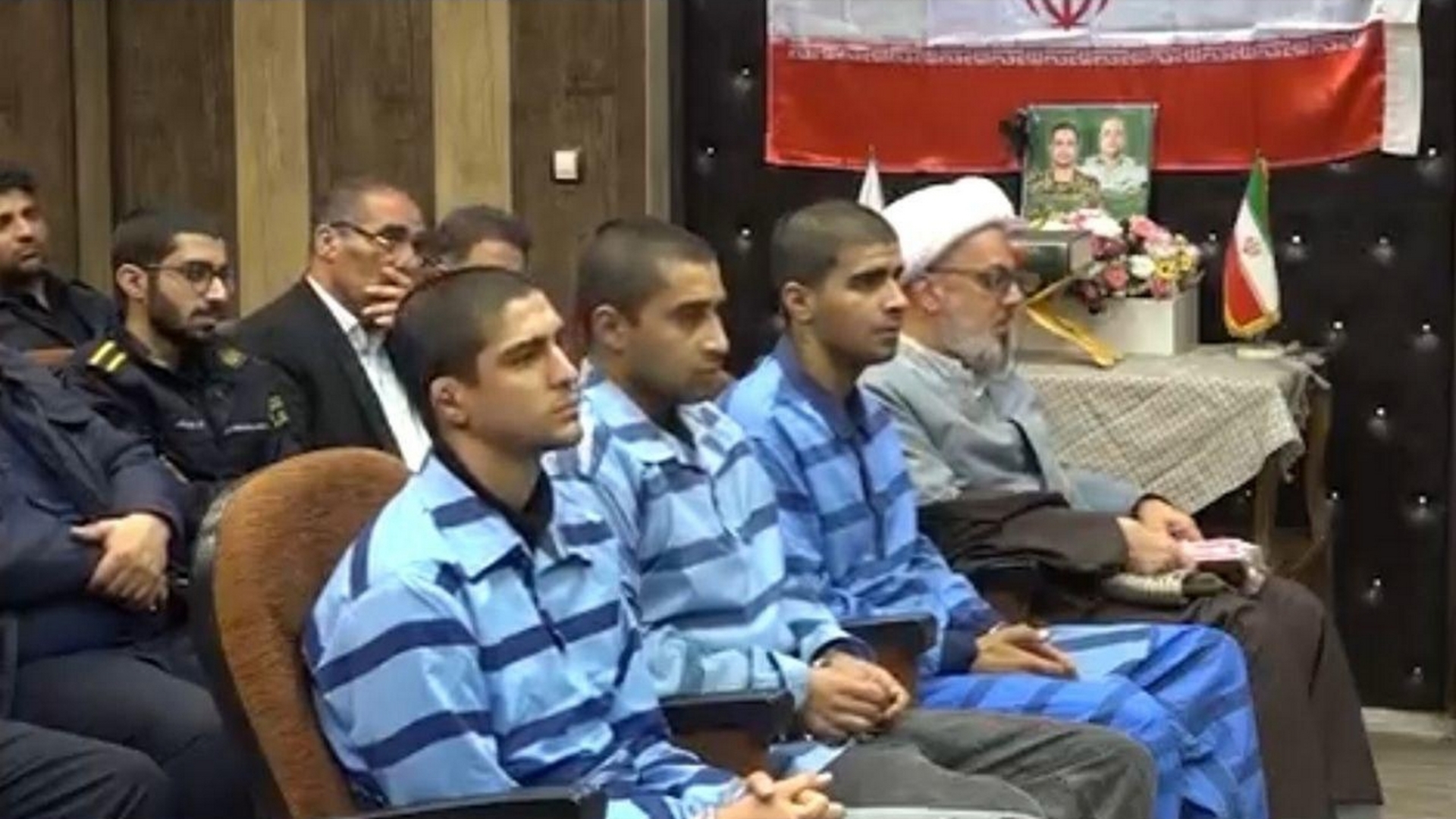
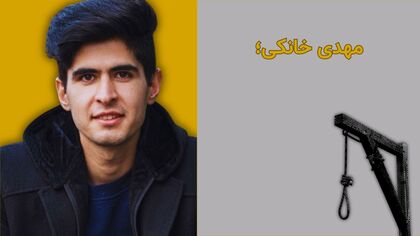
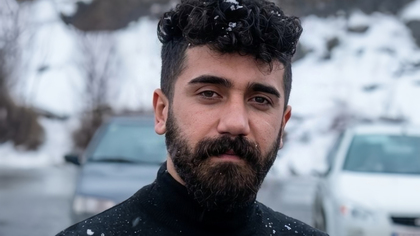
On the morning of Thursday, March 19, 2026, media outlets affiliated with the Islamic Republic of Iran reported the execution of three protesters detained during the January 2026 protests in the city of "Qom". The identity of these individuals has been announced as "Saleh Mohammadi", "Saeid Davoudi", and "Mehdi Ghasemi", and according to reports, their sentences were carried out as a group and in public.
These executions took place under circumstances where very limited information has been published regarding the judicial process, the status of the case review in the Supreme Court, and the possibility for these political prisoners to benefit from the right to appeal or effective access to a lawyer. Reports indicate that the proceedings for these individuals' cases lasted less than three months, and the defendants stated during the trial that their confessions were obtained under torture and coercion; claims which, despite being raised in court, were not effectively investigated.
According to a report by Mizan News Agency, affiliated with the Judiciary, these three prisoners were hanged in the presence of a group of people in "Qom". They were accused of participating in the murder of two Law Enforcement Force officers during the protests on January 8, 2026. However, based on available information, the issued sentences were largely based on confessions obtained during the interrogation phases, and no other independent and reliable evidence was presented.
According to reports, "Saleh Mohammadi", who had recently turned 19, and "Saeid Davoudi", who was soon to be 22, were tried in a joint case on charges of participating in the murder of an officer. While at one stage of the proceedings, a punishment other than death had been considered for "Saeid", reports show that he was ultimately executed as well. "Mehdi Ghasemi" was also sentenced to death in a separate case on a similar charge, but more precise information regarding the proceedings of his case is not available.
The charges brought against these individuals were cited as "Moharebeh" (enmity against God), "acting against national security", and communication with foreign governments, but so far no independent evidence confirming these allegations has been published. Also, reports indicate that some of the defendants retracted their previous confessions in court and declared that these confessions were obtained under torture.
Kurdpa Warning:
Kurdpa warns that the implementation of these executions as a group and in public, especially under crisis conditions and simultaneous with the intensification of tensions and widespread communication restrictions, indicates entry into a new stage of violent suppression. The use of the death penalty in such conditions could be carried out with the aim of creating public fear and terror and preventing the continuation of protests. Furthermore, considering previous reports regarding the intimidation of protesters by officials, the restriction of detainees' access to a lawyer, and pressure on lawyers, this process represents a widespread violation of the principles of a fair trial.
Kurdpa also emphasizes that the execution of these sentences under conditions where fair trial standards were not observed can be evaluated within the framework of arbitrary or even extrajudicial executions; especially as these actions take place in a security context and with the aim of controlling and suppressing society.
According to reports, a significant number of detainees from the January 2026 protests still face charges that could lead to the issuance of a death sentence. Before the widespread internet shutdown in the country, it had been confirmed that at least 27 protesters were facing such sentences, and unconfirmed reports inform of the possibility of this process being more extensive; although due to communication restrictions, verifying this information remains difficult.
In total, these events have raised deep concerns about the human rights situation, the use of the death penalty as a tool of political suppression, and the violation of Iran's international obligations regarding a fair trial and the prohibition of torture.
Photo from left to right: "Saleh Mohammadi", "Mehdi Ghasemi", and "Saeid Davoudi" in an image from the court session published by government media.