The Lives of Our Children Are in Danger in Ward 209 of Evin; 49 Days of Detention, 10-Day Hunger Strike by Ehsan and Ramin Rostami, Kurdish Cultural Activists
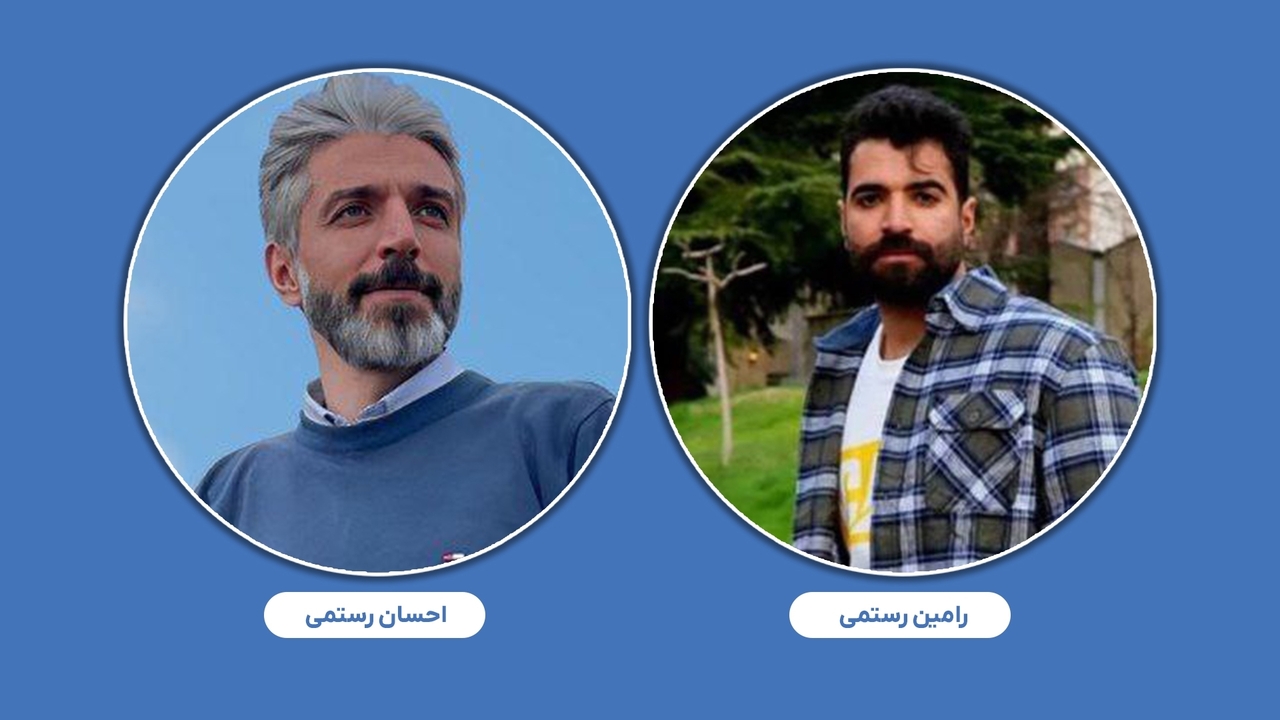
October 8, 2025; More than 49 days have passed since the detention of Ehsan Rostami and Ramin Rostami, two Kurdish cultural activists, in Ward 209 of Evin Prison. Their families have announced that these two prisoners started a hunger strike 10 days ago in protest against their arbitrary detention and legal limbo. During this period, Ehsan and Ramin have been deprived of the right to make phone calls, meet with their families, and access a lawyer. The Rostami family, who have continuously visited Branch 5 of the Moqadas Court in Evin Prison over the past days to follow up on their children's situation, state that despite repeated visits, they have received no response regarding the status of the case or the charges against them. Expressing concern over their children's physical condition, the family stated: "The lives of our children are in danger in Ward 209 of Evin."
On Monday, October 6, 2025, the families of Ehsan and Ramin Rostami reported that these two cultural activists began a wet hunger strike in Ward 209 of Evin Prison after 49 days of arbitrary detention. The Instagram page belonging to the families of these two prisoners wrote regarding the hunger strike: "The lives of our children are in danger in Ward 209 of Evin; it seems our loved ones have chosen the last way a prisoner can cry out, and we were unaware that for 10 days they have emptied their bodies of bread so that perhaps the voice of their lives might be heard on the other side of the walls."
On October 4, 2025, the family's Instagram page, referring to the date of arrest and 46 days of detention and uncertainty, published: "We visited the prosecutor's office again today; Mr. Jalayer, the interrogator of Branch 5, once again refused to receive us to even let us ask: for what sin are you depriving us of seeing and hearing our children?.." The page continued, referring to the arbitrary detention and illegal conduct of the relevant institutions: "Where in their own homeland have our loved ones fallen captive and estranged like this, that we have memorized law books to express the custom of captivity and still received no answer?"
On October 3, 2025, the Rostami family also reported 45 days of lack of information and the legal limbo of their children, as well as the interrogator's denial of the right to visitation and contact in the sixth week, writing: "Is this request—from a family that has visited the prosecutor's office every morning for 45 days with the hope and wish of seeing its child, and has repeatedly submitted its rightful requests in writing and orally to the relevant interrogation branch to perhaps hear an answer about the cause and manner of arrest, the reason for the denial of visitation and contact, and this long-term uncertainty—not just and legal? Dear ones in bonds, children dearer than life... know that until the morning of seeing and embracing you, we spend the days and nights of this exile in front of Evin Prison."
The Rostami family first went public on Instagram on the 38th day of their children's detention and lack of information, writing: "For nearly 40 days, our children Ehsan Rostami and Ramin Rostami have been detained by security forces. We visit the Evin Prosecutor's Office daily so that perhaps this branch (which relates to political charges) where our loved ones' case is active might alleviate the families' concerns, but unfortunately, during this time, our efforts have remained fruitless. Our children have even been deprived of having an initial contact; until today, we have neither seen them nor received a specific answer regarding the case process or the title of the charge. Our children are under pressure, and the lack of news about their situation has worried us more than ever. Has this period not been sufficient to conclude the investigations? If there are reasons and evidence for the detention, what is the need for pressure and preventing contact and visitation with the family? Why do they not refer their documentation and reasons to legal authorities and the court so that the accused and his family can defend their rights by relying on the law and a judge? Why is the family deprived of its most basic rights, which are seeing, hearing, and following up on the child's situation? This illogical process has forced us, after this long silence (because we saw the matter as a personal and baseless misunderstanding and hoped it would soon become clear to the gentlemen as well), to now ask the people and judicial and political authorities to understand the concern and restlessness of these worried mothers if they can, and to guide us."
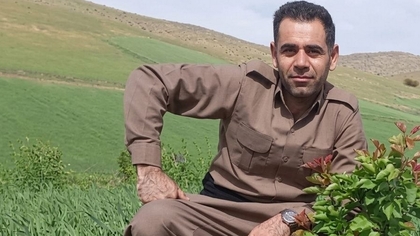
Ehsan Rostami is a sociologist and researcher, and Ramin Rostami is an electrical engineer; both are active in the field of book translation and publishing. They are originally from Harsin in Kermanshah province and are cousins. They were previously arrested on August 20, 2025, along with three other cultural activists in Tehran.
On August 27, 2025, the "Iranian Writers' Association" reported the arrest of five cultural activists residing in Tehran named "Ehsan Rostami," "Ramin Rostami," "Marjan Ardeshirzadeh" (translator), "Hassan Towzandehjani" (poet and cultural activist), and "Nima Mehdizadegan" (active in the field of publishing and books) on August 20, 2025. The Association wrote that security forces arrested these five cultural activists by raiding their homes and took them to an unknown location, and after a week, there is no information regarding their whereabouts or fate; they have been deprived of any right to contact their families, and families' efforts to learn about their health status have remained fruitless, increasing concerns.
The long-term detention of Ehsan and Ramin Rostami without being informed of the charges, and their deprivation of the right to contact, visitation, and access to a lawyer, is a clear violation of the fundamental principles of a fair trial and Iran's international human rights commitments. According to Article 9 of the International Covenant on Civil and Political Rights, no one shall be subjected to arbitrary arrest, and detainees must be informed promptly of the reasons for their arrest and charges, and have the right to immediate access to a lawyer and family. The continuation of the detention of these two cultural activists in the security Ward 209 and the deprivation of communication with the outside world indicates the use of detention as a tool for psychological pressure and a violation of the right to human dignity. In such circumstances, their hunger strike is considered not only a sign of protest against this illegal treatment but a cry for the realization of their most basic human and legal rights.