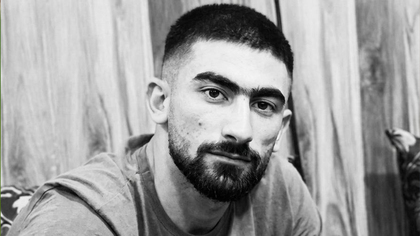
Karaj; Abbas Jafari, 36-year-old Kurdish man from Ilam, identity of another victim; evidence suggests murder in custody Strangulation marks around the neck and bruises and wounds across the entire body
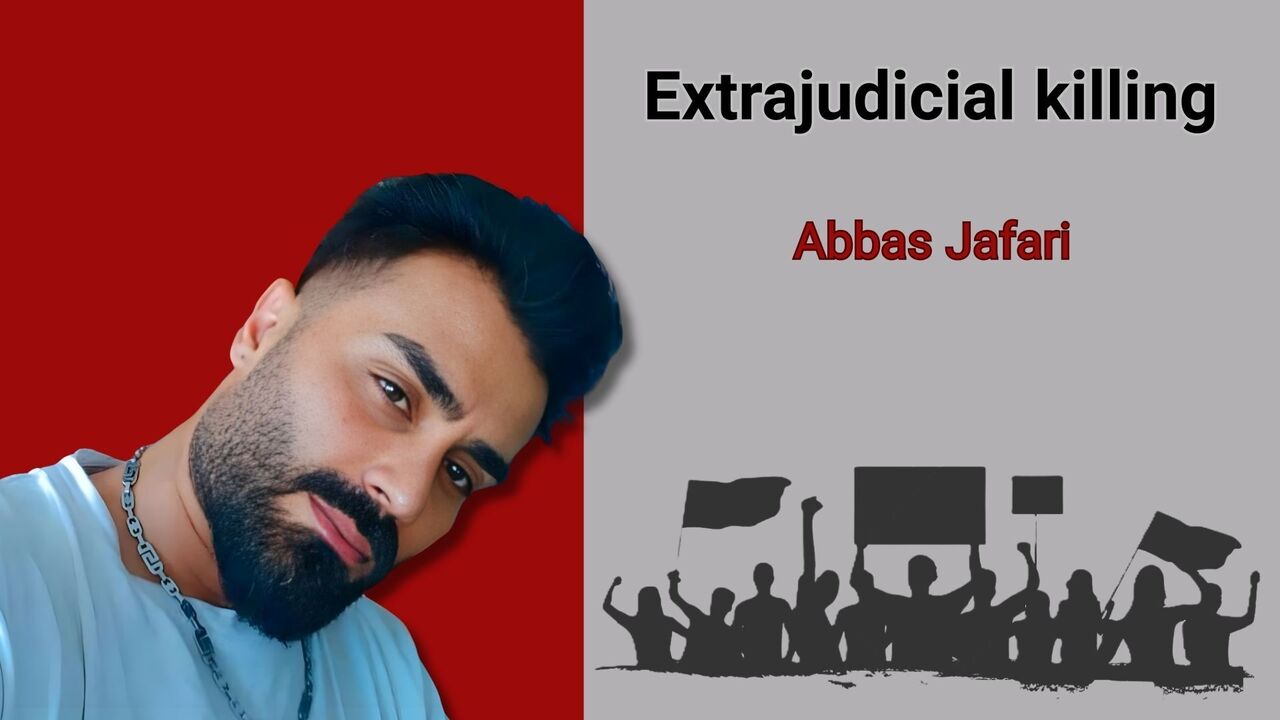
January 29, 2026; “Abbas Jafari,” a 36-year-old Kurdish man from Ilam and a resident of Karaj, is the identity of another victim whose family received his body with visible signs of torture after two weeks of silence. Clear marks of strangulation in the neck area, along with wounds and bruises, were observed across his entire body.
“Abbas Jafari,” son of Ali-Hassan, from the village of “Sartang” in the “Badreh” county of Ilam province, was arrested on January 8, 2026, in Tehran by security forces and was released after a period following a forced commitment. After his release, his family was completely unaware of his fate for approximately two weeks and made frequent inquiries to various security and judicial institutions; they even searched through hundreds of bodies in morgues to find him.
Ultimately, the family was informed that “Abbas Jafari” was being held at Kahrizak Prison, confirming he had been arrested a second time. Shortly after, the family was contacted and told that an individual with a specific identification code was at the Behesht-e Zahra morgue in Tehran. Upon arrival, the family confirmed the body belonged to their son, Abbas Jafari.
The family received his body from Behesht-e Zahra on Saturday, January 24, 2026, while signs of torture were fully evident. Strangulation marks were clearly visible around the neck, and his abdomen had been completely stitched, appearing as though internal organs had been removed. His body was also covered in bruises, blackened marks, and wounds.
Following his death, security agencies began pressuring and threatening the family. Security forces reportedly beat his 60-year-old father, “Ali-Hassan Jafari,” to coerce the family into declaring their son a “Government Martyr.”
Abbas Jafari’s body was buried in his birthplace, the village of “Sartang,” in Badreh county.