Third Anniversary of IRGC Attacks on Kurdish Party Positions and Political Refugee Camps: 17 Dead and 49 Wounded
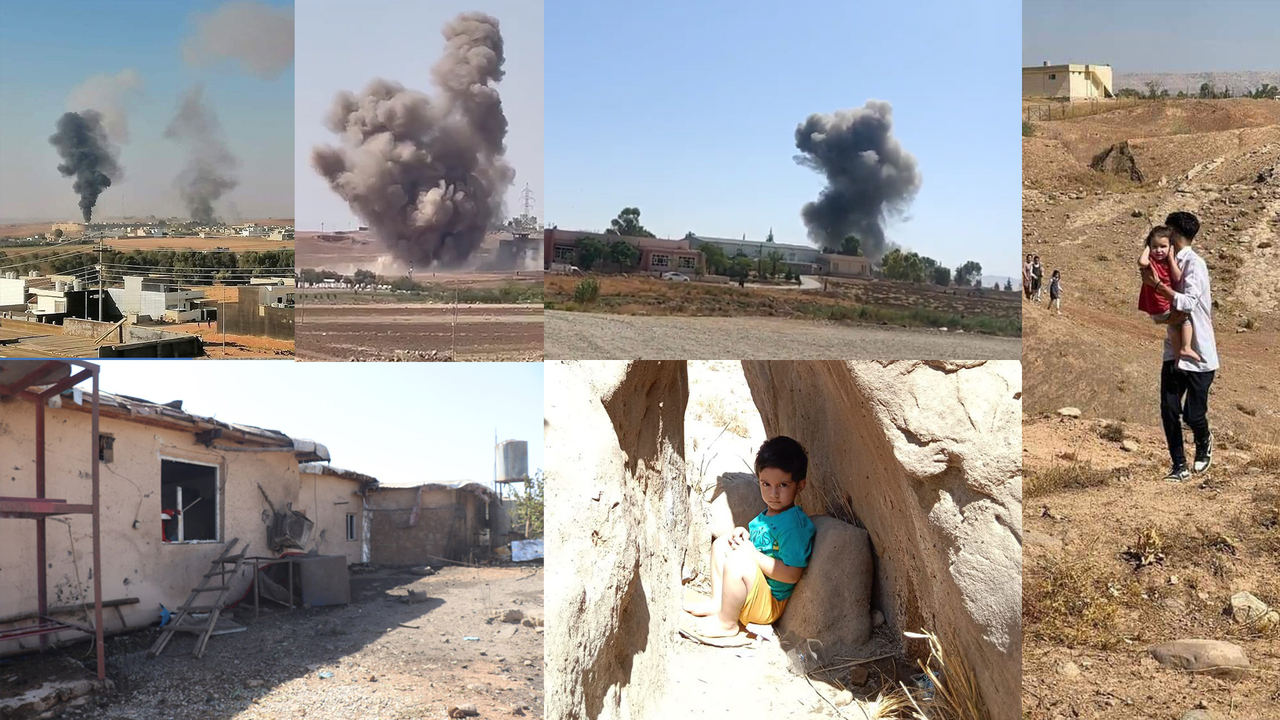
September 28, 2025; In September 2022, coinciding with the suppression of the people of Kurdistan and Iran during the “Jin, Jiyan, Azadi” revolutionary uprising following the government murder of Zhina-Mahsa Amini, the Islamic Revolutionary Guard Corps (IRGC) of the Islamic Republic targeted the positions of Iranian Kurdish parties and their political refugee camps in the Erbil and Sulaymaniyah provinces of Iraqi Kurdistan with drone and missile attacks. As a result of these attacks, 17 people lost their lives and 49 were wounded. These attacks were carried out due to the Kurdish parties' support for the 2022 revolutionary uprising and the issuance of statements for public strikes that led to the expansion of protests.
According to the Kurdish parties, three years after these attacks, no legal case has yet been opened regarding the Islamic Republic's “military aggression” against the territory of the Kurdistan Region and the killing of political refugees and members of these parties; while these parties have repeatedly called for international community intervention, official condemnation of these actions, and prevention of the continuation of Iran's military attacks.
On the third anniversary of the missile and drone attacks on these parties, Kurdpa presents statistics on the number of political refugees and members of Kurdish parties killed and wounded as a result of the attacks on that day.
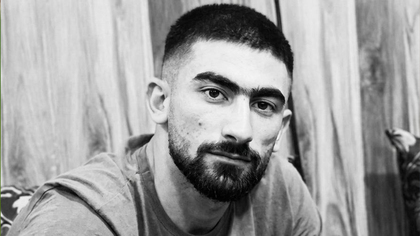
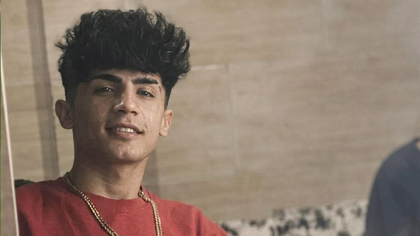
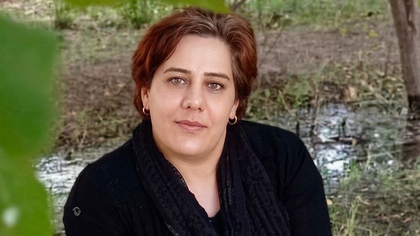
Statistics of Fallen Peshmerga and Political Refugees of the Kurdistan Democratic Party of Iran (KDPI) in the Party's Headquarters:
September 28, 2022: Reihaneh (Shima) Kanaani, a pregnant woman and political refugee. Her newborn was saved by doctors at the last moment but died in the hospital after one day due to a brain hemorrhage.
September 29, 2022: Vanyar Rahmani, the newborn of Reihaneh Kanaani, died after one day of hospitalization due to a brain hemorrhage.
September 28, 2022: Hajar Zargeh, a female political refugee.
September 28, 2022: Milad Pirsaheb, Peshmerga of the Kurdistan Democratic Party of Iran.
September 28, 2022: Mohammad Khalili, Peshmerga of the Kurdistan Democratic Party of Iran.
September 28, 2022: Shirko Bertani, Peshmerga of the Kurdistan Democratic Party of Iran.
September 28, 2022: Omar Mahmoudzadeh, Peshmerga of the Kurdistan Democratic Party of Iran.
September 28, 2022: Osman Feyzeh, Peshmerga of the Kurdistan Democratic Party of Iran.
September 29, 2022: Ayoub Honarvar, Peshmerga of the Kurdistan Democratic Party of Iran. He died in the hospital after one day due to the severity of his injuries.
According to informed sources of the Kurdistan Democratic Party of Iran, more than 20 people were wounded during the IRGC attacks on the party's headquarters and the political refugee camp. Also, during these attacks, the party's political refugee camp and the school for the children of these political refugees were targeted by the Islamic Republic's strikes.
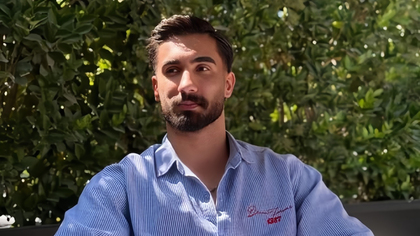
Statistics of Fallen Peshmerga of the Kurdistan Freedom Party (PAK):
September 28, 2022: Omid Nikdel, Peshmerga of the Kurdistan Freedom Party.
September 28, 2022: Ehsan Faraji, Peshmerga of the Kurdistan Freedom Party.
September 28, 2022: Arvin Sohrabi, Peshmerga of the Kurdistan Freedom Party.
September 28, 2022: Yadollah Nouri-Sabet, Peshmerga of the Kurdistan Freedom Party.
September 28, 2022: Younes Ghiyasi, Peshmerga of the Kurdistan Freedom Party.
September 28, 2022: Saeid Omidi, Peshmerga of the Kurdistan Freedom Party.
September 28, 2022: Kamran Rostami, Peshmerga of the Kurdistan Freedom Party.
September 28, 2022: Edris Amjadi, Peshmerga of the Kurdistan Freedom Party.
According to informed sources of the Kurdistan Freedom Party (PAK), more than 25 people were also wounded during the IRGC missile attacks.
Statistics of Wounded Peshmerga of the Komala Party of Iranian Kurdistan: 3 persons According to informed sources of the Komala Party of Iranian Kurdistan, 3 of the party's Peshmerga were wounded during the IRGC missile attacks on the party's headquarters.
With the start of the “Jin, Jiyan, Azadi” revolutionary uprising, which began in Kurdistan and reached all over Iran, the Islamic Republic initiated consecutive attacks on Kurdish party headquarters in border areas from September 24 to September 28, 2022. On September 28, 2022, these attacks extended to firing missiles at the headquarters of these parties in the territory of the Kurdistan Region in Erbil and Sulaymaniyah provinces.
The headquarters targeted by missile and drone attacks were political refugee camps where the families, wives, and children of political activists resided, which were under UN supervision.
Three years after the IRGC missile and drone attacks on Kurdish party headquarters and political refugee camps in the Iraqi Kurdistan Region, follow-ups remain stalled at the level of diplomatic protests and human rights reports, and no binding judicial process has been formed against the Islamic Republic. Legal complexities such as state immunity and Iran's non-membership in international bodies, alongside the political considerations of Iraq and Western countries, have prevented the realization of justice. However, solutions such as using the universal jurisdiction of third-country courts, accurate and systematic documentation of crimes, and increasing international pressure could provide an opening for creating cases and pursuing legal accountability. These three levels are summarized below:
1. Level of Follow-ups Conducted:
Official Iraqi Protest: The Iraqi Ministry of Foreign Affairs, following Iran's missile and drone attacks on Erbil and Sulaymaniyah, submitted an official complaint to the UN Security Council, calling these attacks a “violation of sovereignty and territorial integrity.”
Statements and Reports: Human rights organizations and Kurdish and international media have repeatedly warned about these attacks, calling them instances of “military aggression.” Documented reports of civilian killings, destruction of refugee camps, and even attacks on a refugee children's school have been published.
Limited Political Pressure: Some countries denounced Iran's attacks at the level of statements or verbal condemnation; however, these reactions did not lead to serious practical action at the legal or sanction level.
Iran–Iraq Security Agreement (2023): Instead of judicial follow-up, the practical result of negotiations ended in the signing of a security agreement that obligates Iraq to stop the activities of the Iranian armed opposition on its soil. This agreement, in practice, ended up more to the benefit of Iran than the families of the victims or the Kurdish parties.
2. Main Obstacles to Legal Follow-up:
State Immunity in International Law: The international legal system often grants immunity to states, and filing a lawsuit against a state in domestic or even international courts is not easily possible, except in cases of severe international crimes (genocide, war crimes, crimes against humanity).
Iran's Non-membership in Key Judicial Bodies: Iran is not a member of the International Criminal Court (ICC); therefore, direct judicial paths for prosecuting IRGC commanders are limited.
Lack of International Political Will: Many governments are involved in political and economic considerations with Iran and are not willing to accept the heavy cost of judicial pursuit and serious sanctions.
Challenge of Gathering Evidence: Independent and reliable documentation for international courts is difficult, especially when some victims are in areas under security pressure or in refugee conditions.
Iraq's Priorities: The Iraqi government, to maintain relations with Iran, especially in the security and energy sectors, is less inclined to pursue serious legal action against Tehran.
3. Existing Follow-up Paths:
Documentation and Registration of Crimes: Collecting testimonies, images, and valid evidence by human rights organizations and independent international bodies is vital for preparing legal cases in the future.
Filing Complaints in Third-Country Courts (Principle of Universal Jurisdiction): Some countries allow complaints against foreign officials for international crimes to be filed in their domestic courts (such as Germany and Sweden). Kurdish parties or victims' families can take action through this path.
Applying Diplomatic and Media Pressure: Continuing to highlight these attacks in media and international forums can raise the political cost for the Islamic Republic and prompt more countries to react.
Gaining Support from UN Bodies: Even if the judicial path in the Security Council or ICC is closed, using UN human rights mechanisms (such as the Human Rights Council or the Special Rapporteur on Iran) can be a way to condemn and officially record these cases.
Creating an International Coalition of Kurds and Civil Institutions: Coordination between Kurdish parties, human rights organizations, and civil networks at the regional and global levels can pursue legal and political paths simultaneously.
Prepared by: Awin Mostafazadeh